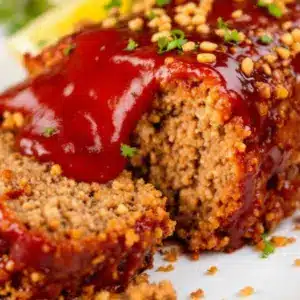
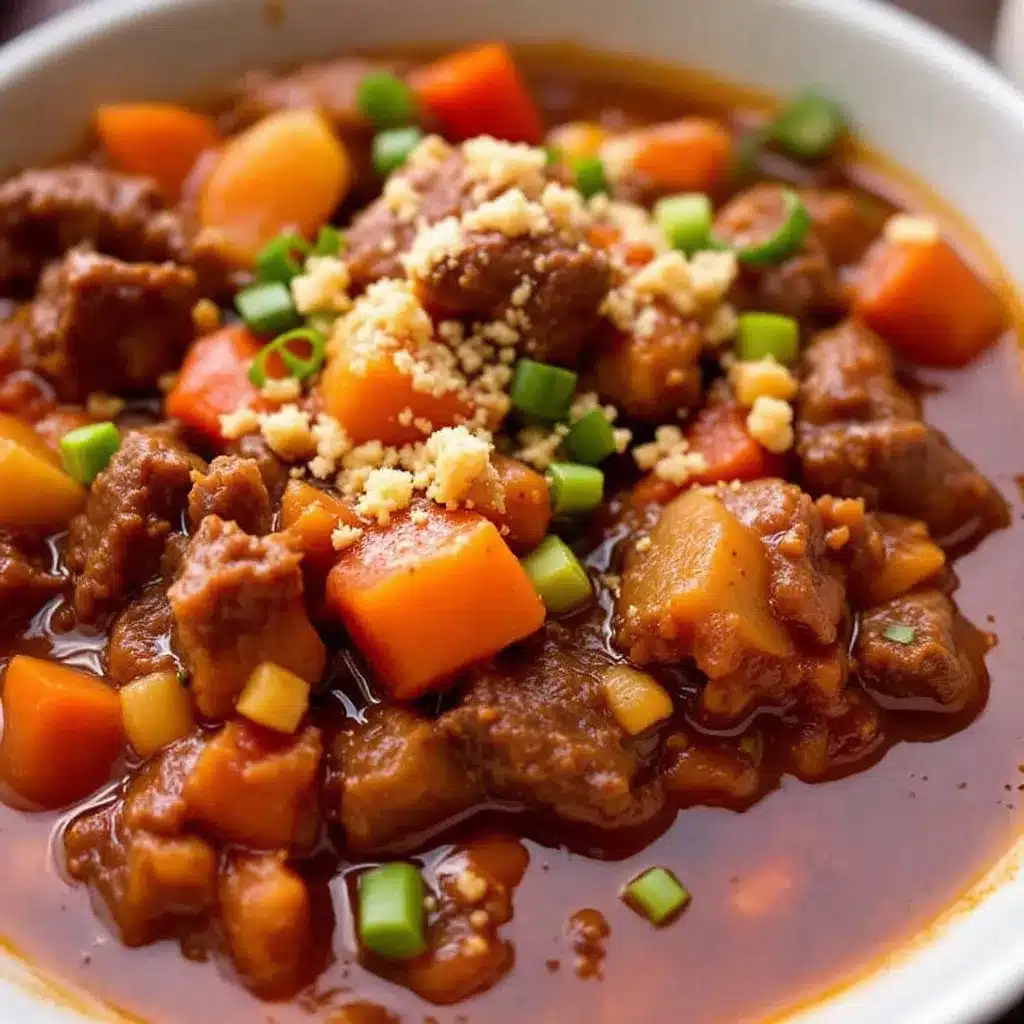
Third time this week I’d made it, and the carrots were still too big. Not in a bad way—they held their shape, which is more than I could say for the potatoes, which had mostly dissolved into the broth by hour six. I sat there on a Tuesday night, spoon halfway to my mouth, staring at the steam curling up from the bowl, and thought: this is it. This is the one. I wasn’t trying to reinvent stew. I was just trying to get the beef to stop being tough and the broth to taste like it had been simmering all day—even though I’d only remembered to start it at 11 a.m.
That first batch was edible. The second was better. By the third, I stopped tweaking and just let the crockpot do its thing. Honestly, there’s something about a slow cooker that forces you to trust the process. You can’t rush it. You can’t hover. You just throw everything in and walk away, and somehow, hours later, it tastes like you spent all day in the kitchen. This cozy crockpot beef and vegetable stew is that recipe for me now. It’s the one I make when I need a win. It’s the one that fills the house with that deep, savory smell that makes everyone wander into the kitchen asking, “What’s for dinner?”
And here’s the thing—it’s not complicated. It’s not fancy. It’s just good, honest food that comes together with minimal effort. I’m not a chef. I’m just someone who got tired of bland, watery stew and decided to fix it. This version? It’s the one that finally stuck.
Why You’ll Love This Recipe
Let me tell you why this stew is different. I’ve tested it enough times to know where things go wrong—and where they go right. This isn’t one of those recipes where you end up with chewy beef and a thin, sad broth. No. This is the kind of stew that makes you close your eyes after the first bite.
- Set It and Forget It: This is a true dump-and-go crockpot meal. You do the prep in the morning, and by dinner, you’ve got a rich, hearty stew waiting for you. No babysitting required.
- Simple Pantry Ingredients: You probably already have most of these in your kitchen. No weird specialty items or expensive cuts of meat. Just honest, everyday ingredients that come together beautifully.
- Perfect for Busy Nights: Whether it’s a chilly weeknight or a lazy Sunday, this stew fits the bill. It’s the kind of meal that makes you feel like you have your life together—even if you don’t.
- Crowd-Pleaser: I’ve served this to my family, to friends, and even to picky eaters. Every single time, the pot comes back empty. Kids love the tender veggies, and adults love the deep, savory broth.
- Unbelievably Comforting: There’s a reason stew is the ultimate comfort food. This version is thick, hearty, and packed with flavor. It’s the kind of meal that warms you from the inside out.
What really sets this recipe apart is the browning step. I know, I know—it’s an extra step. But trust me, searing the beef before it goes into the crockpot is the secret to that deep, rich flavor. It’s a small effort that pays off in a big way. And the vegetables? They’re not mushy. They’re perfectly tender, because we add them at the right time. This isn’t just another stew recipe. It’s the one you’ll come back to again and again.
What Ingredients You Will Need
This recipe uses simple, wholesome ingredients to deliver bold flavor and satisfying texture without the fuss. Most of these are pantry staples, and the ones that aren’t are easy to find at any grocery store.
- Beef stew meat (2 lbs / 900g): Look for chuck or round. These cuts have enough marbling to stay tender during the long cook time. I usually buy pre-cut stew meat to save time, but you can cube a chuck roast yourself if you prefer. (Pro tip: pat the meat dry with paper towels before searing—it helps get a better crust.)
- All-purpose flour (3 tbsp / 24g): This helps thicken the stew and gives the beef a nice coating for browning. You can substitute with gluten-free flour if needed.
- Olive oil (2 tbsp / 30ml): For searing the beef. Avocado oil works great too, since it has a high smoke point.
- Yellow onion (1 large, diced): Adds a savory base to the broth. I prefer yellow onions for their balanced flavor, but white or sweet onions work too.
- Garlic (4 cloves, minced): Fresh garlic is non-negotiable here. It adds so much more depth than the jarred stuff.
- Carrots (3 large, peeled and sliced into 1-inch chunks): They add natural sweetness and hold up well during the long cook time. I recommend using fresh carrots—frozen ones tend to get mushy.
- Celery (3 stalks, sliced): Adds that classic aromatic flavor. Don’t skip it—it’s essential for the base of the stew.
- Yukon Gold potatoes (1.5 lbs / 680g, cubed into 1-inch pieces): These hold their shape better than russets and have a creamy texture. Red potatoes work well too.
- Beef broth (4 cups / 960ml): Use a good-quality low-sodium broth so you can control the salt level. I like Swanson or Pacific Foods for consistent flavor.
- Tomato paste (3 tbsp / 45g): This adds richness and color to the broth. Don’t skip it—it’s a flavor powerhouse.
- Worcestershire sauce (2 tbsp / 30ml): Adds umami and depth. It’s the secret ingredient that makes the broth taste like it’s been simmering all day.
- Dried thyme (1 tsp / 1g): Earthy and aromatic. Fresh thyme works too—just use 1 tablespoon and add it with the broth.
- Dried rosemary (1 tsp / 1g): Piney and fragrant. Crush it between your fingers before adding to release the oils.
- Bay leaves (2): They add subtle herbal notes. Remember to remove them before serving.
- Frozen peas (1 cup / 150g): Added at the end for a pop of color and sweetness. No need to thaw them first.
- Salt and black pepper (to taste): I start with 1 tsp salt and 1/2 tsp pepper, then adjust at the end.
- Fresh parsley (for garnish, optional): Adds a fresh finish and a pop of color.
Equipment Needed
You don’t need a lot of fancy equipment for this recipe, which is part of its charm. Here’s what you’ll need:
- 6-quart or larger slow cooker: This is the star of the show. I use a Crock-Pot 6-Quart Programmable Slow Cooker, and it’s perfect for this amount of stew. If yours is smaller, just reduce the recipe by a third.
- Large skillet or Dutch oven: For browning the beef. A cast-iron skillet works beautifully, but any heavy-bottomed pan will do.
- Sharp chef’s knife: For cutting the vegetables and beef. A dull knife makes prep frustrating—trust me on this.
- Cutting board: I prefer a large wooden board, but plastic works fine too.
- Measuring cups and spoons: For accuracy. Eyeballing it works for some things, but not for the tomato paste and Worcestershire sauce.
- Wooden spoon or spatula: For stirring and scraping up the browned bits from the skillet.
- Tongs: For flipping the beef while searing. They give you better control than a spatula.
- Mixing bowl: For tossing the beef with flour and seasonings.
If you don’t have a slow cooker, you can make this in a Dutch oven on the stovetop or in the oven at 325°F (163°C) for about 2.5 to 3 hours. Just keep an eye on the liquid level and stir occasionally.
Preparation Method
This method is broken down into simple, manageable steps. Take your time with the browning—it’s the most important part.
- Prep the beef: Pat the beef stew meat dry with paper towels. This is crucial—moisture is the enemy of a good sear. In a mixing bowl, toss the beef with 3 tablespoons of all-purpose flour, 1 teaspoon of salt, and 1/2 teaspoon of black pepper until evenly coated.
- Sear the beef: Heat 2 tablespoons of olive oil in a large skillet or Dutch oven over medium-high heat. Once the oil is shimmering (but not smoking), add the beef in a single layer. Don’t overcrowd the pan—work in batches if needed. Sear for 2-3 minutes per side, until a deep brown crust forms. Use tongs to flip the pieces. Transfer the seared beef to the slow cooker.
- Sauté the aromatics: Reduce the heat to medium and add the diced onion to the same skillet. Cook for 3-4 minutes, stirring occasionally, until softened and translucent. Add the minced garlic and cook for another 30 seconds, until fragrant. Scrape up any browned bits from the bottom of the pan—that’s pure flavor. Transfer the onion and garlic to the slow cooker.
- Layer the vegetables: Add the sliced carrots, celery, and cubed potatoes to the slow cooker on top of the beef and onions. Don’t stir yet—layering helps everything cook evenly.
- Make the broth: In a medium bowl or large measuring cup, whisk together 4 cups of beef broth, 3 tablespoons of tomato paste, 2 tablespoons of Worcestershire sauce, 1 teaspoon of dried thyme, and 1 teaspoon of dried rosemary. Pour the broth mixture over the ingredients in the slow cooker. Add 2 bay leaves on top.
- Cook low and slow: Cover the slow cooker and cook on LOW for 7-8 hours or on HIGH for 4-5 hours. The stew is ready when the beef is fork-tender and the vegetables are soft but not falling apart. I prefer LOW for the best texture—it gives the flavors more time to develop.
- Add the peas: About 15 minutes before serving, stir in 1 cup of frozen peas. They don’t need long to heat through, and adding them too early can make them mushy and dull in color.
- Adjust the seasoning: Remove the bay leaves. Taste the broth and adjust the salt and pepper as needed. I usually add another 1/2 teaspoon of salt and a few cracks of black pepper at this stage.
- Thicken if desired: If you prefer a thicker stew, mix 2 tablespoons of cornstarch with 2 tablespoons of cold water to make a slurry. Stir it into the stew and cook on HIGH for 15-20 minutes, until thickened.
- Serve and garnish: Ladle the stew into bowls and garnish with fresh parsley if desired. Serve hot with crusty bread or buttered rolls for dipping.
Cooking Tips & Techniques
I’ve made enough mistakes with stew to fill a cookbook. Here are the lessons I learned the hard way, so you don’t have to.
Don’t skip the sear. I know it’s tempting to just dump everything in the crockpot and walk away. But browning the beef first is what gives the stew that deep, savory flavor. It’s not just about cooking the meat—it’s about creating those browned bits on the bottom of the pan that dissolve into the broth. That’s pure umami.
Cut your vegetables uniformly. If your carrot chunks are twice the size of your potato chunks, they won’t cook evenly. Aim for 1-inch pieces across the board. It sounds fussy, but it makes a real difference in the final texture.
Layer, don’t stir. When you add ingredients to the slow cooker, put the root vegetables (carrots, potatoes) on the bottom, the meat in the middle, and the more delicate items on top. This ensures everything cooks at the right rate. The vegetables closest to the heat source cook faster, while the meat stays moist and tender.
Resist the urge to peek. Every time you lift the lid, you release heat and add 20-30 minutes to the cooking time. I know it’s hard, but trust the process. If you must check, do it in the last hour.
Season in stages. Don’t dump all the salt in at the beginning. Salt draws moisture out of the meat and vegetables, which can make the broth watery. Start with a modest amount, then adjust at the end when the flavors have concentrated.
Make it ahead. Stew actually tastes better the next day. The flavors meld and deepen overnight. If you have time, make it a day in advance and reheat it gently on the stovetop or in the slow cooker.
Variations & Adaptations
This recipe is incredibly flexible. Here are some ways to make it your own:
Make it gluten-free: Substitute the all-purpose flour with a gluten-free blend or cornstarch. Use tamari instead of Worcestershire sauce (or check the label—some brands are gluten-free).
Make it dairy-free: This recipe is naturally dairy-free, so no changes needed. Just double-check your Worcestershire sauce—some brands contain anchovies, which are fine for most diets, but something to be aware of.
Add more vegetables: Feel free to throw in parsnips, turnips, or sweet potatoes. Mushrooms are also a great addition—add them with the onions for extra umami. I’ve made a version with fresh garden tomatoes in the summer, and it was incredible.
Swap the protein: This works beautifully with boneless, skinless chicken thighs or even pork shoulder. Just adjust the cooking time—chicken will be done in about 4 hours on LOW, while pork may need the full 8 hours.
Try a different herb profile: Swap the thyme and rosemary for 1 teaspoon of smoked paprika and 1/2 teaspoon of cumin for a slightly smoky, earthy twist. It’s a completely different vibe, but equally delicious.
Make it spicy: Add a diced jalapeño or a pinch of red pepper flakes with the onions. It won’t make the stew fiery, but it adds a subtle warmth that’s really nice on a cold day.
Serving & Storage Suggestions
This stew is a meal in itself, but it’s even better with a few simple sides.
Serving temperature: Serve piping hot. Ladle into deep bowls and top with fresh parsley or a sprinkle of grated Parmesan cheese if you’re feeling fancy. A dollop of sour cream or Greek yogurt adds a nice tangy contrast.
What to serve with it: Crusty bread is non-negotiable in my house. A warm baguette, sourdough, or even buttery cornbread croutons are perfect for soaking up the broth. A simple green salad with a lemon vinaigrette cuts through the richness beautifully.
Storage: Let the stew cool completely before transferring to an airtight container. It will keep in the refrigerator for 4-5 days. The flavors actually get better after a day or two, so don’t be afraid to make it ahead.
Freezing: This stew freezes like a dream. Portion it into freezer-safe containers or zip-top bags, leaving about an inch of headroom for expansion. It will keep for up to 3 months. Thaw overnight in the refrigerator before reheating.
Reheating: Reheat gently on the stovetop over medium-low heat, stirring occasionally. You can also microwave individual portions in 1-minute intervals, stirring between each. If the stew has thickened too much during storage, add a splash of beef broth or water to thin it out.
Flavor development: This is one of those recipes where the leftovers are even better than the first serving. The starches from the potatoes continue to thicken the broth, and the herbs have time to meld. I honestly look forward to day-two stew more than day-one.
Nutritional Information & Benefits
Here’s the estimated nutritional breakdown for one serving (based on 8 servings):
| Nutrient | Amount per Serving |
|---|---|
| Calories | 385 |
| Protein | 32g |
| Fat | 12g |
| Saturated Fat | 4g |
| Carbohydrates | 38g |
| Fiber | 6g |
| Sugar | 8g |
| Sodium | 780mg |
This stew is packed with nutrition. The beef provides high-quality protein and iron, which is essential for energy and oxygen transport. Carrots are loaded with beta-carotene (which your body converts to vitamin A), and potatoes offer potassium and vitamin C. The celery adds fiber and antioxidants, while the tomatoes in the paste provide lycopene, a powerful antioxidant linked to heart health.
This recipe is naturally gluten-free (if you use a gluten-free flour or cornstarch) and dairy-free. It’s also relatively low in saturated fat compared to many comfort foods. I love that I can serve this to my family knowing it’s both satisfying and nourishing. It’s the kind of meal that fills you up without weighing you down.
Conclusion
This cozy crockpot beef and vegetable stew is everything I want in a comfort meal. It’s hearty without being heavy, flavorful without being complicated, and it fills the house with that unmistakable aroma of something good simmering away. The beef gets tender enough to fall apart with a spoon, the vegetables soak up all that savory broth, and every bite feels like a warm hug.
What I love most about this recipe is how forgiving it is. You can tweak the vegetables, swap the herbs, or adjust the thickness to your liking. It’s a blueprint, not a prison. Make it your own. Add more garlic. Throw in a parsnip. Serve it with a hunk of sourdough and call it dinner.
I’d love to hear how yours turns out. Did you make any changes? Did you serve it with something unexpected? Drop a comment below or tag me in your photos—I’m always inspired by how people put their own spin on things. And if you’re looking for another cozy, hands-off meal, you might also enjoy this creamy crockpot cheeseburger potato soup or this game day crockpot chili. Both are just as easy and just as satisfying.
Until next time, happy cooking. And remember—the best meals are the ones made with a little patience and a lot of love.
Frequently Asked Questions
Can I use a different cut of beef?
Absolutely. Chuck roast is ideal, but brisket or bottom round also work well. Just avoid lean cuts like sirloin—they can become tough and dry during the long cook time.
Do I have to brown the beef first?
Technically, no. But I strongly recommend it. Browning adds a depth of flavor that you simply can’t get from just dumping everything in the pot. It takes an extra 10 minutes, and it’s absolutely worth it.
Can I add other vegetables?
Yes! This recipe is very flexible. Try adding parsnips, turnips, sweet potatoes, or mushrooms. Just keep the pieces roughly the same size so they cook evenly. Add delicate vegetables like zucchini or green beans in the last 30 minutes.
How do I thicken the stew?
If you prefer a thicker stew, mix 2 tablespoons of cornstarch with 2 tablespoons of cold water to make a slurry. Stir it into the stew during the last 15-20 minutes of cooking. You can also mash some of the potatoes against the side of the pot to release their starch.
Can I make this in an Instant Pot?
Yes! Use the sauté function to brown the beef and cook the aromatics. Then add the remaining ingredients, seal the lid, and cook on high pressure for 35 minutes with a natural release. The texture will be slightly different, but it’s still delicious.
Pin This Recipe!
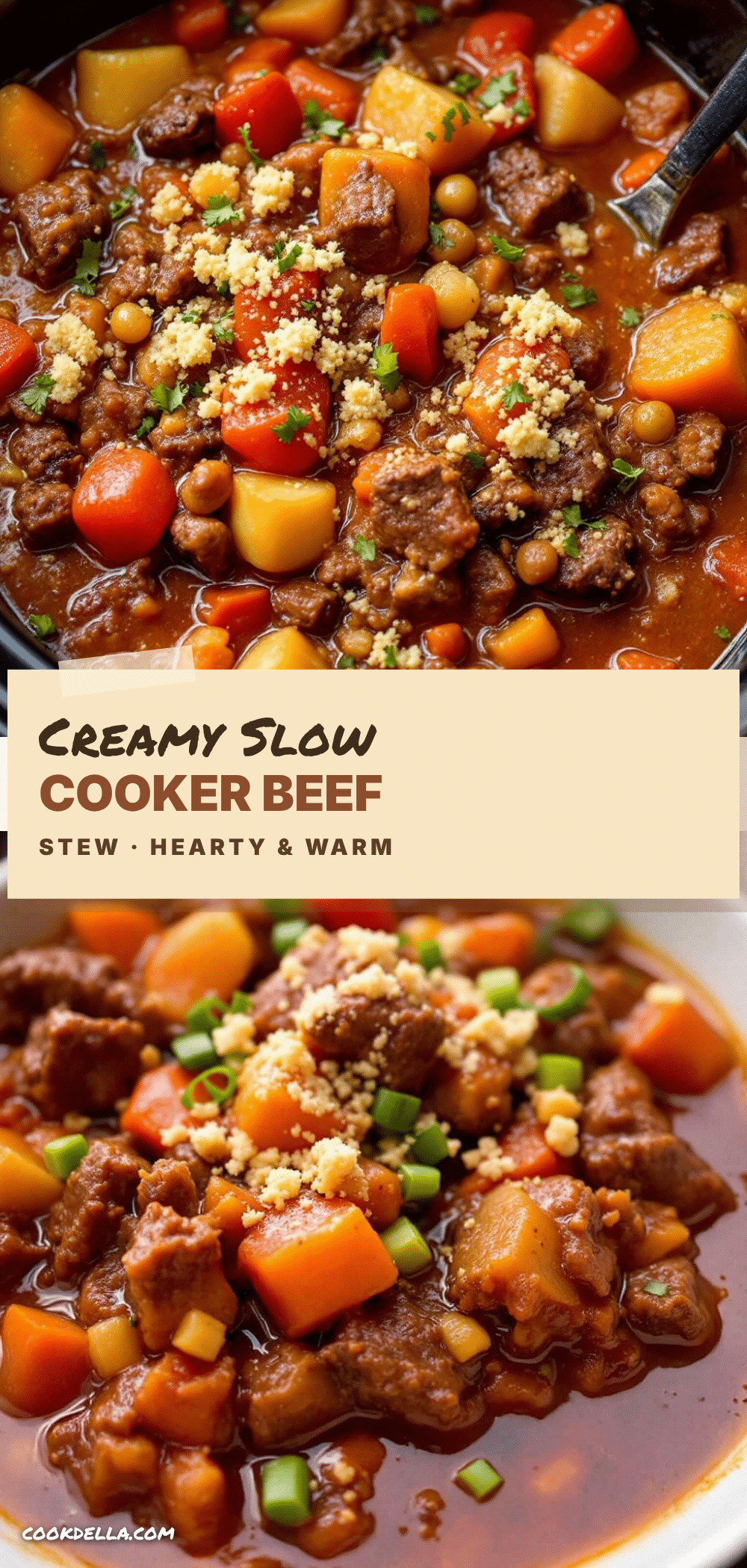
Cozy Crockpot Beef and Vegetable Stew (Easy Comfort Meal)

A hearty, comforting beef and vegetable stew made in the slow cooker with tender beef, perfectly cooked vegetables, and a rich, savory broth. This dump-and-go recipe is perfect for busy nights and delivers deep flavor with minimal effort.
- Prep Time: 20 minutes
- Cook Time: 7-8 hours (LOW) or 4-5 hours (HIGH)
- Total Time: 7 hours 20 minutes to 8 hours 20 minutes
- Yield: 8 servings 1x
- Category: Main Course
- Cuisine: American
Ingredients
- 2 lbs (900g) beef stew meat (chuck or round)
- 3 tbsp (24g) all-purpose flour
- 2 tbsp (30ml) olive oil
- 1 large yellow onion, diced
- 4 cloves garlic, minced
- 3 large carrots, peeled and sliced into 1-inch chunks
- 3 stalks celery, sliced
- 1.5 lbs (680g) Yukon Gold potatoes, cubed into 1-inch pieces
- 4 cups (960ml) low-sodium beef broth
- 3 tbsp (45g) tomato paste
- 2 tbsp (30ml) Worcestershire sauce
- 1 tsp (1g) dried thyme
- 1 tsp (1g) dried rosemary
- 2 bay leaves
- 1 cup (150g) frozen peas
- Salt and black pepper to taste
- Fresh parsley for garnish (optional)
Instructions
- Pat the beef stew meat dry with paper towels. In a mixing bowl, toss the beef with 3 tablespoons all-purpose flour, 1 teaspoon salt, and 1/2 teaspoon black pepper until evenly coated.
- Heat 2 tablespoons olive oil in a large skillet or Dutch oven over medium-high heat. Once shimmering, add the beef in a single layer (work in batches if needed). Sear for 2-3 minutes per side until a deep brown crust forms. Transfer seared beef to the slow cooker.
- Reduce heat to medium and add the diced onion to the same skillet. Cook for 3-4 minutes until softened. Add minced garlic and cook for 30 seconds until fragrant. Scrape up any browned bits from the pan. Transfer onion and garlic to the slow cooker.
- Add sliced carrots, celery, and cubed potatoes to the slow cooker on top of the beef and onions. Do not stir.
- In a medium bowl, whisk together beef broth, tomato paste, Worcestershire sauce, dried thyme, and dried rosemary. Pour over the ingredients in the slow cooker. Add bay leaves on top.
- Cover and cook on LOW for 7-8 hours or on HIGH for 4-5 hours, until beef is fork-tender and vegetables are soft.
- About 15 minutes before serving, stir in frozen peas.
- Remove bay leaves. Taste and adjust salt and pepper as needed.
- If a thicker stew is desired, mix 2 tablespoons cornstarch with 2 tablespoons cold water to make a slurry. Stir into stew and cook on HIGH for 15-20 minutes until thickened.
- Ladle into bowls, garnish with fresh parsley if desired, and serve hot with crusty bread.
Notes
Browning the beef is essential for deep flavor. Cut vegetables uniformly (1-inch pieces) for even cooking. Layer ingredients in the slow cooker without stirring. Resist lifting the lid during cooking. Season in stages. Stew tastes even better the next day. For a gluten-free version, substitute flour with gluten-free blend or cornstarch and use tamari instead of Worcestershire sauce. For an Instant Pot version, use sauté function to brown beef and aromatics, then cook on high pressure for 35 minutes with natural release.
Nutrition
- Serving Size: 1 serving (about 1.5
- Calories: 385
- Sugar: 8
- Sodium: 780
- Fat: 12
- Saturated Fat: 4
- Carbohydrates: 38
- Fiber: 6
- Protein: 32
Keywords: crockpot beef stew, slow cooker stew, beef and vegetable stew, easy comfort meal, hearty stew, dump and go stew