“You know, this tastes like a hug from the inside out.”
That’s what my neighbor said after I handed her a slice of this brown butter pumpkin bread, still warm from the oven, with the maple glaze dripping down the sides. And honestly? She nailed it. I wasn’t even trying to create a masterpiece that day. I had a half-can of pumpkin puree leftover from making a batch of pumpkin sourdough discard bread, and the weather had turned that crisp, grey kind of cold where all you want is something buttery and sweet.
I grabbed the butter, put it in a pan, and let it do its thing. You know that smell—nutty, warm, almost like toasted hazelnuts? That’s the moment the recipe started talking back to me. I threw in the pumpkin, some spices I had dug out from the back of the cabinet, and crossed my fingers. The first loaf came out lopsided. The second one? That one made me close my eyes after the first bite.
This isn’t just another pumpkin bread recipe. It’s the one where the brown butter does the heavy lifting, and the maple glaze quietly steals the show. It’s the kind of bread you bake on a Tuesday because you want the house to smell like something good, and then suddenly you’re slicing it for breakfast, dessert, and a midnight snack. I’ve made it six times since that first lucky accident, and I’m finally ready to share it with you.
Why You’ll Love This Recipe
Let me tell you why this particular loaf has earned a permanent spot in my fall baking rotation. I’ve tested this recipe more times than I’d like to admit, tweaking the butter temperature, the glaze consistency, and the baking time until everything clicked. Here’s what makes it special:
- Deep, nutty flavor without extra work — Browning the butter takes five minutes and transforms the entire loaf. It adds a toasty richness that regular melted butter just can’t touch.
- Super moist for days — The combination of pumpkin puree and brown butter keeps this bread tender and soft. It actually tastes better on day two, if you can wait that long.
- Simple ingredients, big payoff — You probably have most of these in your pantry right now. No weird flours or specialty extracts. Just real food that tastes amazing.
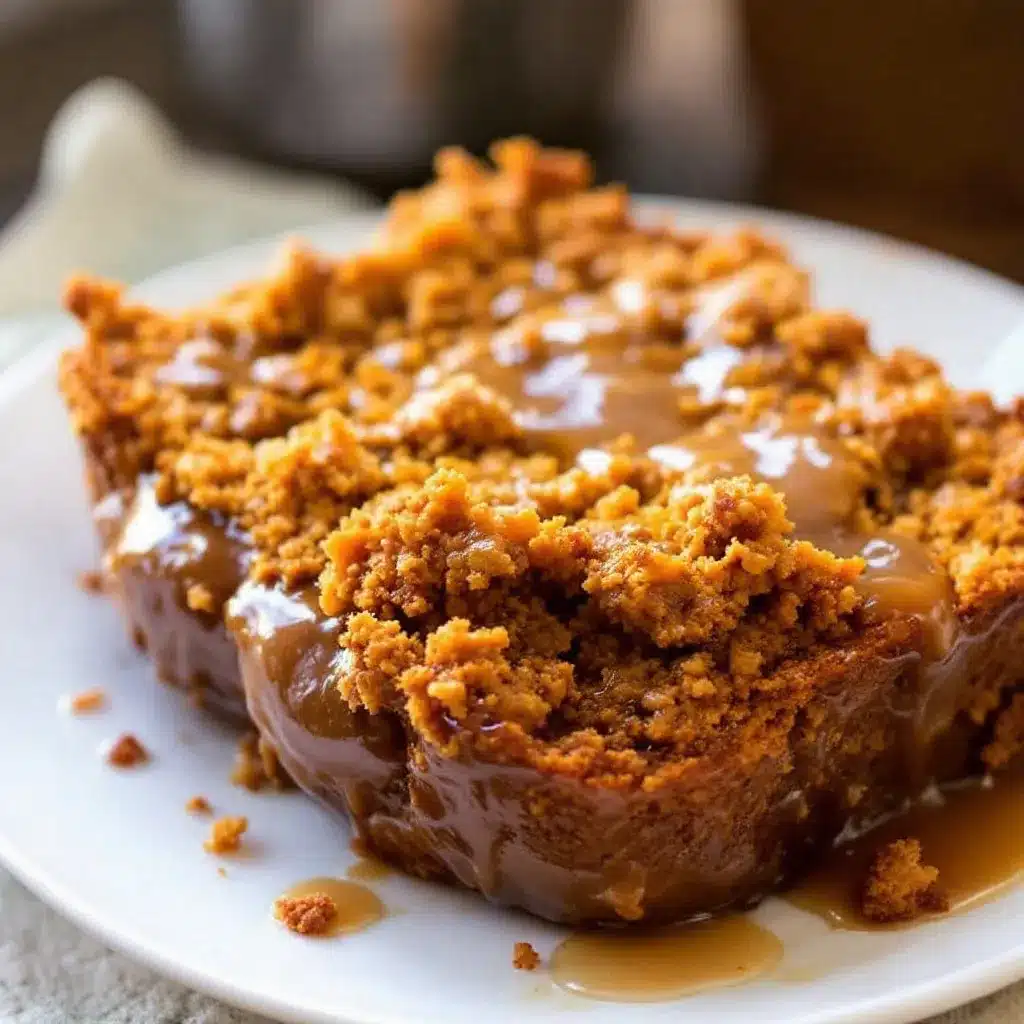
- That maple glaze — It’s not too sweet, not too thin. It sets into a glossy, crackly top that makes every slice look bakery-worthy. I’ve caught myself licking the whisk clean more than once.
- Foolproof for beginners — Even if you’ve never browned butter before, I’ll walk you through it. This recipe forgives over-mixing, under-mixing, and the occasional distracted moment when you forget to set a timer.
This is the bread you bring to a Friendsgiving and watch disappear in ten minutes. It’s the bread you make on a rainy Sunday morning with a hot cup of coffee and no plans. And honestly? It’s the bread that made my picky nephew ask for seconds. That’s when I knew I had something good.
What Ingredients You Will Need
This recipe uses simple, everyday ingredients to create something that tastes anything but ordinary. Each component plays a specific role, and I’ve included a few notes to help you pick the best ones.
For the Brown Butter Pumpkin Bread
- Unsalted butter (1 cup / 2 sticks) — This is the star of the show. Use unsalted so you control the salt level. I prefer Kerrygold for its rich flavor, but any good-quality butter works. You’ll brown it until it smells nutty and turns a deep amber color.
- Pumpkin puree (1 ½ cups / about 15 oz) — Not pumpkin pie filling. Make sure you grab 100% pure pumpkin puree. Libby’s is my go-to because it’s consistently thick and not watery. If you use homemade pumpkin puree, drain off any excess liquid first.
- Granulated sugar (1 cup) — Adds sweetness and helps create that tender crumb.
- Light brown sugar (½ cup, packed) — Adds moisture and a subtle molasses flavor that pairs beautifully with the brown butter and pumpkin.
- Large eggs (2, room temperature) — Room temperature eggs blend more evenly into the batter. If you forgot to take them out, place them in a bowl of warm water for 5 minutes.
- Vanilla extract (2 teaspoons) — Pure vanilla extract makes a difference here. Imitation will work, but you’ll lose some depth.
- All-purpose flour (2 cups) — Spoon and level your flour. Scooping directly from the bag packs in too much and makes the bread dense.
- Baking soda (1 teaspoon) — Helps the bread rise and gives it a soft texture.
- Baking powder (½ teaspoon) — Adds a little extra lift.
- Salt (½ teaspoon) — Balances the sweetness and enhances the brown butter flavor.
- Ground cinnamon (2 teaspoons) — The backbone of the spice blend.
- Ground nutmeg (½ teaspoon) — Freshly grated if you have it, but pre-ground works fine.
- Ground ginger (½ teaspoon) — Adds warmth without being overpowering.
- Ground cloves (¼ teaspoon) — A little goes a long way. Skip it if you’re not a fan.
- Milk (¼ cup, room temperature) — Whole milk adds richness, but 2% or oat milk work too. It helps loosen the batter so the bread isn’t too heavy.
For the Maple Glaze
- Powdered sugar (1 ½ cups) — Sift it if you want a super smooth glaze. I rarely do, and it still turns out great.
- Pure maple syrup (3 tablespoons) — Not pancake syrup. Real maple syrup gives that deep, woodsy sweetness. Grade A dark amber is my favorite for baking.
- Milk or heavy cream (2-3 tablespoons) — Heavy cream makes the glaze richer and thicker. Milk works if that’s what you have. Add it slowly until you reach your desired consistency.
- Pinch of salt — Sounds weird, but it cuts the sweetness and makes the maple flavor pop.
Equipment Needed
You don’t need a fancy kitchen to make this bread. Here’s what I used, along with a few alternatives if you’re working with limited tools.
- 9×5-inch loaf pan — A standard metal or glass loaf pan works perfectly. If you use glass, reduce the oven temperature by 25°F to prevent over-browning.
- Light-colored saucepan — Browning butter is easier when you can see the color change. Dark nonstick pans make it hard to tell when the butter has reached that golden amber stage.
- Large mixing bowls (2) — One for dry ingredients, one for wet. I use glass or stainless steel because they don’t hold onto odors.
- Whisk and rubber spatula — A whisk for combining dry ingredients and a spatula for folding everything together without over-mixing.
- Parchment paper — Line your loaf pan with a sling of parchment paper. It makes lifting the bread out so much easier, and cleanup is a breeze.
- Cooling rack — Essential for letting the bread cool evenly before glazing. If you don’t have one, use the inverted loaf pan to prop it up slightly.
- Small whisk or fork — For mixing the glaze. A fork works surprisingly well if your whisk is dirty.
Preparation Method
Alright, let’s get baking. I’ve broken this down into clear steps with timing and sensory cues so you know exactly what to look for.
Step 1: Brown the Butter (5 minutes)
Cut the butter into pieces and add it to your light-colored saucepan over medium heat. Stir constantly with a rubber spatula or wooden spoon. The butter will melt, then foam, then start to crackle and pop. That’s the water evaporating. Keep stirring. After about 3-4 minutes, the foam will subside, and you’ll see tiny brown specks forming at the bottom. The butter will smell nutty and toasty. As soon as it turns a golden amber color, remove it from the heat and pour it into a heatproof bowl. Don’t walk away during this step—it goes from perfect to burnt in seconds. Let it cool for 10-15 minutes while you prep the other ingredients.
Step 2: Preheat and Prep (5 minutes)
Preheat your oven to 350°F (175°C). Line your loaf pan with a strip of parchment paper, leaving a couple inches overhang on the long sides. Lightly grease the exposed sides with butter or nonstick spray. This ensures the bread releases cleanly.
Step 3: Mix the Wet Ingredients (5 minutes)
In a large bowl, whisk together the cooled brown butter, granulated sugar, and brown sugar until smooth. It should look like a thick paste. Add the eggs one at a time, whisking well after each. The mixture will become lighter and slightly fluffy. Stir in the pumpkin puree, vanilla extract, and milk. The batter will be smooth and a bit loose. That’s normal.
Step 4: Mix the Dry Ingredients (3 minutes)
In a separate bowl, whisk together the flour, baking soda, baking powder, salt, cinnamon, nutmeg, ginger, and cloves. Make sure there are no clumps. Give it a good whisk to aerate the flour—this helps the bread rise evenly.
Step 5: Combine Wet and Dry (3 minutes)
Pour the dry ingredients into the wet ingredients. Use a rubber spatula to fold everything together gently. Stir just until you see the last streak of flour disappear. A few small lumps are totally fine. Over-mixing will make the bread tough and dense.
Step 6: Bake (55-65 minutes)
Pour the batter into your prepared loaf pan and spread it into an even layer. Tap the pan on the counter a couple times to release any air bubbles. Bake for 55-65 minutes, rotating the pan halfway through. The bread is done when a toothpick inserted into the center comes out clean or with just a few moist crumbs. The top should be golden brown and cracked in a few places. If the top is browning too quickly after 40 minutes, tent it loosely with aluminum foil.
Step 7: Cool (1 hour)
Let the bread cool in the pan for 15 minutes. Then lift it out using the parchment sling and transfer it to a wire rack. Cool completely before glazing. If you glaze it while it’s still warm, the glaze will melt into the bread instead of sitting on top. Trust me on this one—I learned the hard way.
Step 8: Make the Glaze (5 minutes)
In a small bowl, whisk together the powdered sugar, maple syrup, and 2 tablespoons of milk or cream. Add the remaining tablespoon if needed to reach a pourable consistency. It should be thick but still flow off the whisk in a ribbon. Stir in a tiny pinch of salt. Pour the glaze over the cooled bread and spread it gently with a spatula. Let it set for about 10 minutes before slicing.
Cooking Tips & Techniques
I’ve made this bread enough times to know where things can go sideways. Here are the lessons I learned so you don’t have to repeat my mistakes.
Don’t rush the brown butter. The first time I tried this, I cranked the heat to high and ended up with burnt butter that smelled like scorched popcorn. Low and slow is the way to go. Medium heat, constant stirring, and watch for that amber color. When you see the specks, pull it off immediately.
Room temperature ingredients matter. Cold eggs and cold milk can seize the brown butter, leaving you with a lumpy batter. Take everything out 30 minutes before you start. If you’re impatient, place the eggs in warm water for 5 minutes and microwave the milk for 10 seconds.
Check for doneness with a toothpick. The top might look dark and cracked while the center is still raw. Insert a toothpick in the middle—if it comes out with wet batter, give it another 5 minutes and check again. If it comes out clean or with a few crumbs, you’re good.
Let it cool completely. I know it’s tempting to cut into warm bread, but the texture improves as it cools. The crumb sets, the flavors meld, and the glaze stays put. Patience pays off here.
Use a kitchen scale if you have one. Measuring flour by weight (240 grams per cup) is more accurate than scooping. If you don’t have a scale, spoon the flour into your measuring cup and level it off with a knife.
Variations & Adaptations
One of the best things about this recipe is how flexible it is. Here are a few ways I’ve adapted it depending on what I had on hand or who I was baking for.
- Gluten-free version — Substitute the all-purpose flour with a 1:1 gluten-free baking blend that contains xanthan gum. Cup4Cup and King Arthur both work well. The texture will be slightly more tender, but the flavor is still amazing.
- Dairy-free adaptation — Use vegan butter for browning (Miyoko’s is my favorite) and oat milk or almond milk in the batter and glaze. The brown butter flavor won’t be as intense, but it’s still delicious.
- Add mix-ins — Fold in ½ cup of chopped pecans, walnuts, or chocolate chips after combining the wet and dry ingredients. I once added crystallized ginger pieces, and it was incredible with the maple glaze.
- Spice it up — If you like a stronger spice profile, add ½ teaspoon of cardamom or allspice. It gives the bread a more complex, chai-like warmth.
- Make it a loaf cake — Skip the glaze and top it with a cream cheese frosting instead. Beat 4 oz of cream cheese with 2 tablespoons of butter, 1 cup of powdered sugar, and a splash of vanilla. It turns this into a full-on dessert.
- Mini loaves or muffins — Divide the batter into 3 mini loaf pans or 12 muffin cups. Bake mini loaves for 30-35 minutes and muffins for 18-22 minutes. Adjust the glaze quantity if needed.
Serving & Storage Suggestions
This bread is honestly good any time of day. Here’s how I like to serve it and how to keep it fresh.
Serving temperature: Room temperature is ideal. The crumb is soft, the glaze is set, and the flavors are fully developed. If you want to warm it up, pop a slice in the microwave for 10 seconds or toast it lightly in a skillet with a little butter.
What to serve with it: A hot cup of homemade pumpkin spice latte is my go-to pairing. It also goes beautifully with a side of vanilla yogurt or a scoop of cinnamon ice cream for dessert. For a savory contrast, serve it alongside a bright cranberry orange Thanksgiving side salad at a fall gathering.
Storage: Wrap the cooled, glazed bread tightly in plastic wrap or store it in an airtight container at room temperature for up to 4 days. The glaze will soften slightly, but that’s part of the charm. If you live in a humid climate, keep it in the fridge to prevent mold.
Freezing: This bread freezes beautifully. Wrap the unglazed loaf in plastic wrap, then a layer of aluminum foil, and freeze for up to 3 months. Thaw overnight in the fridge, bring to room temperature, then glaze and serve. You can also freeze individual slices for quick breakfasts.
Flavor development: The bread actually tastes better on day two. The spices mellow out, the brown butter flavor deepens, and the texture becomes even more moist. If you can resist eating it all on day one, you’re in for a treat.
Nutritional Information & Benefits
Here’s an approximate nutritional breakdown per slice (based on 10 slices, with glaze):
| Nutrient | Amount per slice |
|---|---|
| Calories | 380 |
| Total Fat | 18g |
| Saturated Fat | 11g |
| Cholesterol | 75mg |
| Sodium | 280mg |
| Total Carbohydrates | 52g |
| Dietary Fiber | 2g |
| Sugars | 34g |
| Protein | 5g |
Pumpkin is packed with vitamin A, fiber, and antioxidants, which support eye health and digestion. The brown butter adds a dose of healthy fats that help you feel satisfied longer. If you’re watching your sugar intake, you can reduce the granulated sugar to ¾ cup and use a thinner glaze. This recipe is vegetarian and can be made dairy-free with the substitutions listed above. It contains gluten, dairy, and eggs, so keep that in mind if you’re baking for someone with allergies.
Conclusion
This brown butter pumpkin bread with maple glaze is the kind of recipe that feels special without being complicated. It’s the loaf you bake when you want the house to smell like fall, when you need a gift for a neighbor, or when you just want something sweet to go with your afternoon coffee. The brown butter adds a depth that regular pumpkin bread just doesn’t have, and that maple glaze? It’s the perfect finishing touch.
I’d love to hear how yours turns out. Did you add any mix-ins? Did you double the glaze like I always do? Drop a comment below and let me know. And if you share a photo on social media, tag me so I can see your beautiful loaf. Happy baking, friends. You’ve got this.
Frequently Asked Questions
Can I use salted butter instead of unsalted?
Yes, just reduce the added salt in the recipe to ¼ teaspoon. The bread will still taste great, but the salt level will be slightly higher.
Why did my bread sink in the middle?
This usually happens if the bread is underbaked or if you opened the oven door too often during baking. Make sure your oven temperature is accurate and avoid peeking until the 50-minute mark.
Can I make this without a mixer?
Absolutely. A whisk and a rubber spatula are all you need. In fact, I prefer mixing by hand because it reduces the risk of over-mixing.
How do I know when the butter is properly browned?
You’re looking for two things: a nutty aroma and tiny brown specks at the bottom of the pan. The butter will also turn a warm amber color. As soon as you see and smell that, pull it off the heat.
Can I skip the glaze?
Sure. The bread is delicious on its own. If you skip the glaze, brush the top with melted butter and sprinkle with coarse sugar right after baking for a crunchy top.
Pin This Recipe!
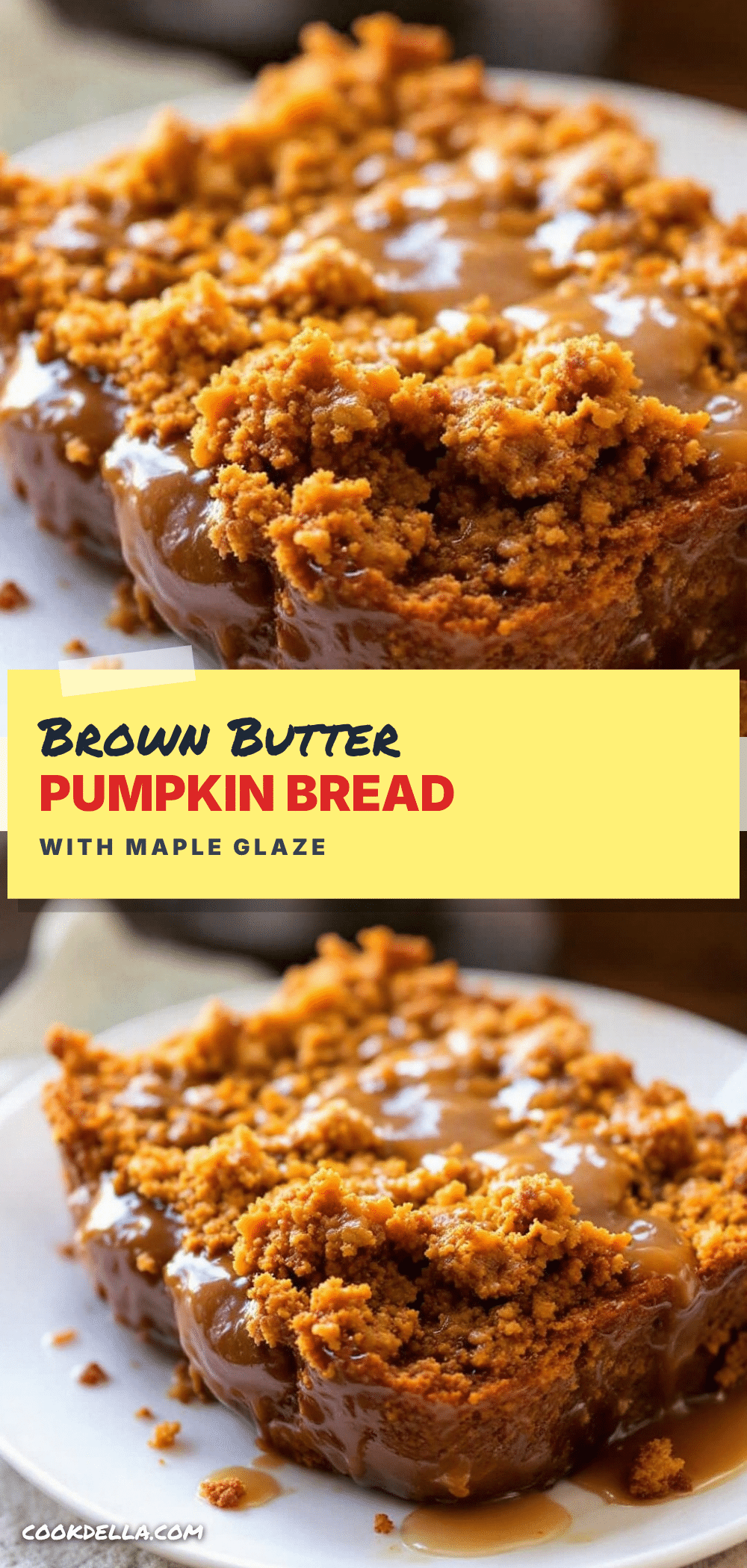
Best Brown Butter Pumpkin Bread with Maple Glaze Recipe
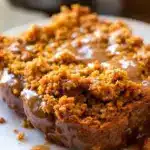
This brown butter pumpkin bread is incredibly moist and flavorful, topped with a glossy maple glaze. It’s the perfect fall treat that tastes like a hug from the inside out.
- Prep Time: 15 minutes
- Cook Time: 60 minutes
- Total Time: 1 hour 15 minutes
- Yield: 10 servings 1x
- Category: Dessert
- Cuisine: American
Ingredients
- 1 cup (2 sticks) unsalted butter
- 1 ½ cups (about 15 oz) pumpkin puree (not pumpkin pie filling)
- 1 cup granulated sugar
- ½ cup packed light brown sugar
- 2 large eggs, room temperature
- 2 teaspoons vanilla extract
- 2 cups all-purpose flour, spooned and leveled
- 1 teaspoon baking soda
- ½ teaspoon baking powder
- ½ teaspoon salt
- 2 teaspoons ground cinnamon
- ½ teaspoon ground nutmeg
- ½ teaspoon ground ginger
- ¼ teaspoon ground cloves
- ¼ cup milk, room temperature (whole milk preferred)
- 1 ½ cups powdered sugar
- 3 tablespoons pure maple syrup
- 2–3 tablespoons milk or heavy cream
- Pinch of salt
Instructions
- Brown the butter: Cut butter into pieces and melt in a light-colored saucepan over medium heat, stirring constantly. After 3-4 minutes, the butter will foam, then subside, and brown specks will form. When it smells nutty and turns golden amber, remove from heat and pour into a heatproof bowl. Let cool for 10-15 minutes.
- Preheat oven to 350°F (175°C). Line a 9×5-inch loaf pan with parchment paper, leaving overhang on the long sides. Lightly grease exposed sides with butter or nonstick spray.
- Mix wet ingredients: In a large bowl, whisk together cooled brown butter, granulated sugar, and brown sugar until smooth. Add eggs one at a time, whisking well after each. Stir in pumpkin puree, vanilla extract, and milk until smooth.
- Mix dry ingredients: In a separate bowl, whisk together flour, baking soda, baking powder, salt, cinnamon, nutmeg, ginger, and cloves.
- Combine wet and dry: Pour dry ingredients into wet ingredients. Fold gently with a rubber spatula until just combined (a few lumps are fine). Do not over-mix.
- Pour batter into prepared loaf pan and spread evenly. Tap pan on counter to release air bubbles. Bake for 55-65 minutes, rotating halfway through, until a toothpick inserted in center comes out clean or with a few moist crumbs. If top browns too quickly, tent with foil after 40 minutes.
- Cool in pan for 15 minutes, then lift out using parchment sling and transfer to a wire rack. Cool completely before glazing.
- Make the glaze: In a small bowl, whisk together powdered sugar, maple syrup, and 2 tablespoons milk or cream. Add more milk if needed to reach a pourable consistency. Stir in a pinch of salt. Pour over cooled bread and spread gently. Let set for 10 minutes before slicing.
Notes
Don’t rush the brown butter; use medium heat and watch for amber color. Room temperature ingredients are important to prevent lumpy batter. Check doneness with a toothpick. Cool completely before glazing. The bread tastes even better on day two. For gluten-free, use a 1:1 gluten-free baking blend. For dairy-free, use vegan butter and oat or almond milk.
Nutrition
- Serving Size: 1 slice
- Calories: 380
- Sugar: 34
- Sodium: 280
- Fat: 18
- Saturated Fat: 11
- Carbohydrates: 52
- Fiber: 2
- Protein: 5
Keywords: pumpkin bread, brown butter, maple glaze, fall baking, pumpkin recipe, easy pumpkin bread