I want salmon for dinner tonight. Not a complicated, three-pan, dirty-every-bowl-in-the-kitchen kind of salmon. Just tender, flaky fish with that butter-garlic situation that makes everything better. And I want it fast, because honestly, the day got away from me and I’m hungry now. I open the fridge and see a bunch of asparagus hanging out in the crisper drawer, looking a little neglected. And there it is—the perfect weeknight solution. One pan, a few simple ingredients, and a dinner that feels fancy but takes almost no effort.
The beauty of this Easy One-Pan Lemon Garlic Butter Salmon with Asparagus is how everything works together. The salmon gets all crispy on the edges while staying buttery-soft in the middle. The asparagus roasts right alongside it, soaking up all that garlicky lemon butter goodness. And the cleanup? Basically nonexistent. You just toss the lemon slices and move on with your night. It’s the kind of meal that makes you feel like you’ve got your life together, even when you definitely don’t.
I’ve made this dish on busy Tuesday nights, lazy Sunday evenings, and even for a small dinner party where I wanted to impress without stressing. It never fails. The lemon brightens everything up, the garlic adds that savory punch, and the butter ties it all together in a way that feels indulgent but not heavy. Honestly, this recipe has saved me more times than I can count. It’s become my go-to when I need something reliable, delicious, and quick. Let me show you how it’s done.
Why You’ll Love This Recipe
This isn’t just another salmon recipe. I’ve tested this method more times than I’ll admit, tweaking the temperature, the timing, the amount of garlic. What I landed on is the perfect balance of crispy-skinned salmon and tender-crisp asparagus, all coated in a lemon garlic butter sauce that comes together in minutes. Here’s why you’ll keep coming back to this one:
- Quick & Easy: From start to finish, this meal is on the table in under 25 minutes. Perfect for those nights when you’re staring at the kitchen wondering what to make.
- Simple Ingredients: Salmon, asparagus, butter, garlic, lemon. That’s it. No fancy grocery store trips, no obscure spices you’ll never use again.
- One-Pan Cleanup: This is the real winner. Everything cooks on a single sheet pan or skillet, meaning less time scrubbing and more time relaxing.
- Perfect for Any Occasion: It’s elegant enough for a date night at home but simple enough for a regular weeknight dinner. It also works beautifully for meal prep since the flavors hold up well.
- Crowd-Pleaser: Even people who say they don’t love salmon end up going back for seconds. The garlic butter sauce is that good.
- Unbelievably Delicious: The combination of bright lemon, rich butter, and savory garlic creates a flavor profile that feels restaurant-quality. And the asparagus gets slightly caramelized at the edges, adding a little crunch that contrasts perfectly with the tender fish.
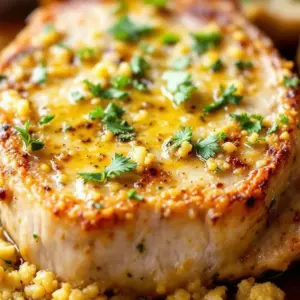
What sets this recipe apart from the countless other salmon recipes out there is the technique. Instead of overcooking the salmon or ending up with soggy asparagus, you’ll get perfectly cooked fish with a golden crust and vegetables that still have a little bite. It’s all about the timing and the high heat. I’ve also made this with my easy flaky lemon garlic butter salmon recipe before, and this one-pan version takes the convenience to a whole new level. You get all the flavor with even less effort.
This recipe is the kind that makes you close your eyes after the first bite. It’s comfort food that feels light and fresh, satisfying without weighing you down. And when you see how easy it is, you’ll wonder why you ever made salmon any other way.
What Ingredients You Will Need
This recipe relies on a handful of high-quality ingredients that work together beautifully. Each one plays a specific role, from the richness of the butter to the brightness of the lemon. Here’s what you’ll need:
For the Salmon & Asparagus
- 4 (6-ounce) salmon fillets – Look for fillets that are roughly the same thickness so they cook evenly. I prefer skin-on salmon because the skin gets wonderfully crispy, but skinless works too. If using frozen, thaw completely and pat dry before cooking.
- 1 bunch asparagus (about 1 pound) – Choose asparagus spears that are bright green with firm tips. Thicker spears hold up better to roasting, but thin ones work too—just reduce the cooking time slightly.
- 3 tablespoons unsalted butter – Salted butter works if that’s what you have, just reduce the added salt slightly. The butter is the foundation of the sauce, so use a good quality one.
- 4 cloves garlic, minced – Fresh garlic is non-negotiable here. The pre-minced stuff in a jar won’t give you the same punch. I’ve made that mistake before and regretted it.
- 1 large lemon – You’ll use both the zest and the juice. The zest adds a concentrated lemon flavor that the juice alone can’t replicate. Roll the lemon on the counter before juicing to get the most out of it.
- 2 tablespoons olive oil – This helps the asparagus roast without drying out and adds a little fruity flavor. Avocado oil works as a substitute.
- Salt and black pepper – Use kosher salt if you have it. It seasons more evenly and you can control the amount better.
- Optional garnish: Fresh parsley, chopped, and lemon wedges for serving.
Ingredient Selection Tips
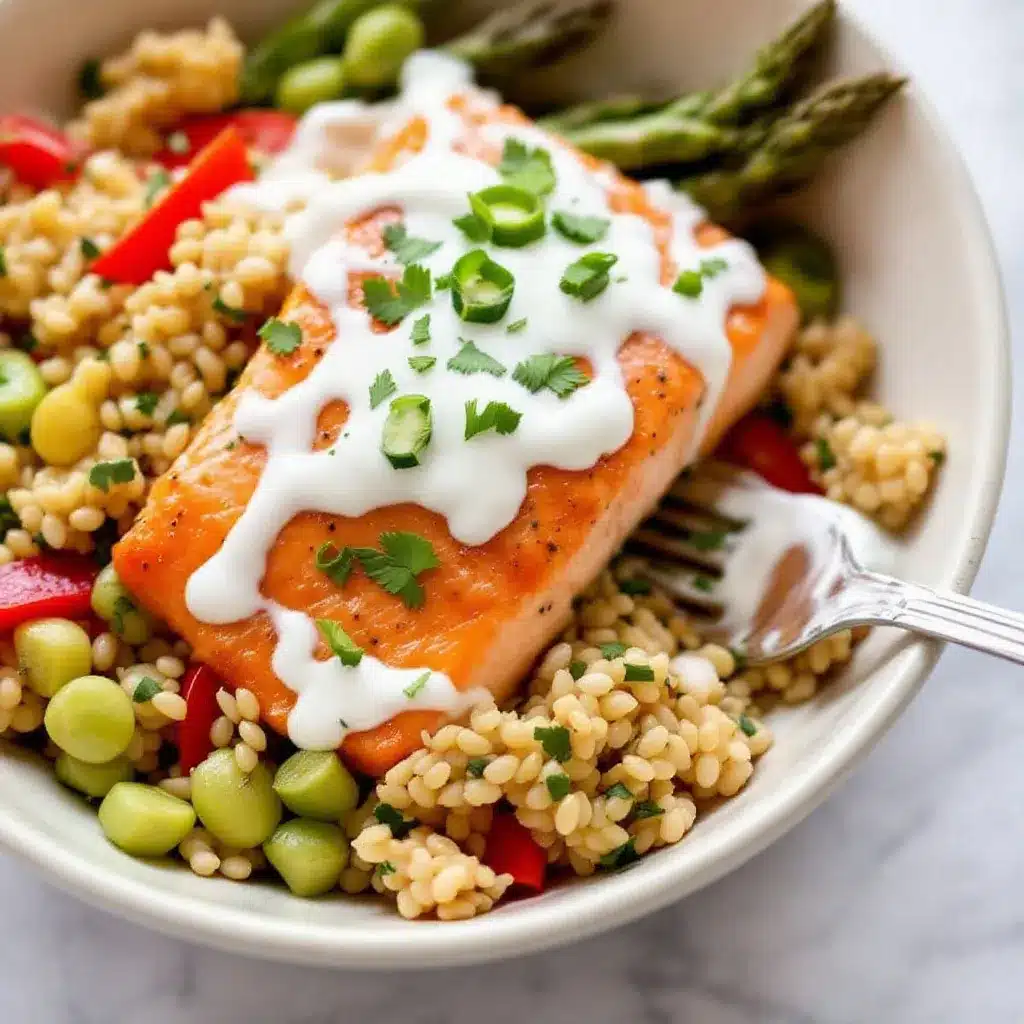
For the best results, I recommend using wild-caught salmon if your budget allows. It has a firmer texture and a cleaner flavor compared to farmed salmon. That said, I’ve made this recipe with both and it turns out delicious either way. For the asparagus, look for spears that snap easily when bent—that’s a sign of freshness. If the ends are woody, just snap them off rather than cutting them; they’ll break naturally at the right spot.
For the butter, I’m partial to Kerrygold or any European-style butter. It has a higher fat content which means richer flavor and better browning. But honestly, any unsalted butter will do. And for the garlic, don’t skimp. Four cloves might sound like a lot, but they mellow out as they cook, leaving behind a sweet, savory depth that makes the whole dish sing.
Equipment Needed
The beauty of a one-pan meal is that you don’t need much equipment. Here’s what you’ll need to pull this together:
- Large rimmed baking sheet (half-sheet pan, about 18×13 inches) – A rimmed sheet is essential to catch all the butter and juices. A flat baking sheet without sides will cause a mess in your oven. If you don’t have a rimmed sheet, a large cast-iron skillet works beautifully too.
- Parchment paper or aluminum foil – Lining the pan makes cleanup even easier. I prefer parchment because it doesn’t react with the lemon, but foil works in a pinch.
- Chef’s knife and cutting board – For mincing garlic and trimming the asparagus.
- Microplane or zester – For zesting the lemon. A fine grater works too, but a microplane gives you the fluffiest zest.
- Small bowl – For mixing the garlic butter sauce.
- Measuring spoons – For accurate measurements, though I often eyeball the olive oil and butter at this point.
- Fish spatula or thin metal spatula – For flipping the salmon without breaking it apart. A regular spatula works, but a fish spatula is thinner and more flexible.
If you don’t own a fish spatula, don’t worry. I used a regular spatula for years before I invested in one. Just be gentle when flipping. And if you’re using a cast-iron skillet instead of a sheet pan, make sure it’s well-seasoned to prevent sticking.
Preparation Method
Let’s get cooking. This recipe comes together quickly, so I recommend having all your ingredients prepped before you start. Trust me, it makes the process so much smoother.
- Preheat your oven to 400°F (200°C). Position the rack in the center of the oven. While the oven heats up, line your baking sheet with parchment paper or foil for easy cleanup.
- Prep the asparagus. Rinse the asparagus and pat it dry. Snap off the woody ends—they’ll break naturally where the tough part ends. You can also cut them with a knife if you prefer. Place the asparagus on the prepared baking sheet. Drizzle with 1 tablespoon of olive oil, season with a pinch of salt and pepper, and toss to coat. Spread them out in a single layer on one side of the pan.
- Prep the salmon. Pat the salmon fillets dry with paper towels. This step is crucial for getting that crispy skin. If the skin is wet, it will steam instead of sear. Season both sides of the fillets generously with salt and pepper. Place them skin-side down on the other side of the baking sheet, leaving a little space between each fillet.
- Make the garlic butter sauce. In a small microwave-safe bowl, melt the 3 tablespoons of butter. Stir in the minced garlic, the zest of the lemon, and 1 tablespoon of fresh lemon juice. Mix well. If you want a little extra zing, add another squeeze of lemon.
- Brush the salmon. Using a pastry brush or a spoon, brush the garlic butter mixture over the top of each salmon fillet. Don’t forget the sides. Reserve a little of the butter mixture to brush on after cooking, if you like.
- Add the lemon slices. Cut the zested lemon into thin rounds. Place a few lemon slices on top of the salmon fillets and scatter the rest around the pan with the asparagus. The lemon slices will caramelize slightly and infuse the dish with even more flavor.
- Roast for 12-15 minutes. The exact time will depend on the thickness of your salmon fillets. For medium-rare salmon (still slightly translucent in the center), aim for 12 minutes. For well-done, go to 15 minutes. The asparagus should be tender-crisp and the salmon should flake easily with a fork. If you prefer your asparagus softer, give it a head start by roasting it for 5 minutes before adding the salmon.
- Optional broil for extra color. If you want a slightly golden top on the salmon, switch the oven to broil for the last 1-2 minutes. Watch it closely—broilers vary in intensity and you don’t want to burn the garlic.
- Rest and serve. Remove the pan from the oven and let it rest for 2-3 minutes. This allows the juices to redistribute. Garnish with fresh parsley and serve with extra lemon wedges on the side.
A few notes: If your salmon fillets have thin tails that cook faster than the thick centers, you can fold the thin part under itself for even cooking. And if you’re using thicker asparagus (more than 1/2 inch in diameter), consider cutting them in half lengthwise so they cook at the same rate as the salmon.
The sensory cues are important here. When the salmon is done, it should look opaque and the flesh should separate easily when you press it with a fork. The asparagus should be bright green and slightly wrinkled at the edges. And the smell? It’s incredible—garlicky, buttery, and bright all at once.
Cooking Tips & Techniques
After making this recipe more times than I can count, I’ve picked up a few tricks that make a real difference. Here are my best tips for perfect results every time:
Pat the salmon dry. This is the single most important step for crispy skin. I know it’s tempting to skip it, but don’t. Water is the enemy of browning. Use paper towels and really press into the skin to absorb any moisture.
Don’t overcrowd the pan. If your baking sheet is too small, the asparagus will steam instead of roast, and the salmon won’t brown properly. If you need to, use two pans or cook in batches. It’s better to have everything spread out in a single layer.
Watch the garlic. Garlic burns quickly, especially under the broiler. If you’re broiling at the end, keep a close eye on it. Burnt garlic turns bitter and can ruin the whole dish. If you’re nervous about it, you can add the garlic halfway through cooking instead of at the beginning.
Use room-temperature ingredients. Take the salmon out of the fridge 10-15 minutes before cooking. This helps it cook more evenly. Cold salmon straight from the fridge will cook unevenly, with the outside drying out before the center is done.
Adjust for different ovens. All ovens run differently. If your oven runs hot, check the salmon at 10 minutes. If it runs cool, you might need 15-17 minutes. An instant-read thermometer is your best friend here—salmon is done at 125°F (52°C) for medium-rare or 135°F (57°C) for well-done.
Don’t flip the salmon. I used to flip my salmon halfway through cooking, but I’ve found that leaving it skin-side down the whole time gives you a much crispier skin. The skin acts as a protective barrier, keeping the flesh moist while it gets golden and crunchy.
Make it a complete meal. If you want to add more vegetables, try tossing in some cherry tomatoes or sliced bell peppers alongside the asparagus. They roast beautifully and add color and sweetness. I’ve also made this with my easy one-pan garlic butter chicken thighs with rice when I want a different protein, and the same principles apply.
Variations & Adaptations
This recipe is incredibly versatile. Here are some ways to change it up based on what you have on hand or what you’re craving:
Dietary Adaptations:
- Dairy-Free: Substitute the butter with a high-quality vegan butter or ghee (if you tolerate it). Coconut oil also works, though it will add a slight coconut flavor. I’ve tried it with both and prefer the vegan butter for the closest texture.
- Low-Carb/Keto: This recipe is naturally low-carb and keto-friendly as written. The butter and olive oil provide healthy fats that fit perfectly into a keto lifestyle.
- Gluten-Free: This recipe is naturally gluten-free. Just make sure your butter and any seasonings are certified gluten-free if you’re highly sensitive.
Flavor Variations:
- Herb Crusted: Add a teaspoon of dried dill, thyme, or oregano to the garlic butter mixture. Fresh herbs work even better—try a tablespoon of chopped fresh dill or parsley.
- Spicy Kick: Add a pinch of red pepper flakes or a drizzle of sriracha to the butter sauce. The heat pairs beautifully with the lemon.
- Maple Dijon: Whisk in a tablespoon of Dijon mustard and a teaspoon of maple syrup to the garlic butter for a sweet-savory glaze. This is my personal favorite variation when I’m craving something a little different.
- Parmesan Asparagus: Sprinkle the asparagus with a tablespoon of grated Parmesan cheese before roasting. It adds a salty, nutty crust that’s absolutely addictive.
Seasonal Swaps:
- Spring: Swap the asparagus for fresh green beans or snap peas. They roast in the same amount of time.
- Summer: Use zucchini or yellow squash, cut into half-moons. They cook faster, so check them at 10 minutes.
- Fall/Winter: Substitute roasted broccoli, Brussels sprouts (halved), or cauliflower florets. These heartier vegetables may need an extra 5 minutes in the oven.
Cooking Method Variations:
- Air Fryer: Cook the salmon at 375°F (190°C) for 8-10 minutes. Cook the asparagus separately at 375°F for 5-7 minutes. The air fryer gives you an even crispier exterior.
- Grill: Place the salmon and asparagus in a grill basket or on foil. Grill over medium-high heat for 4-5 minutes per side for the salmon, and about 8 minutes for the asparagus, turning occasionally.
- Stovetop Skillet: Sear the salmon skin-side down in a hot skillet with butter for 4 minutes, then flip and cook for another 3 minutes. Cook the asparagus in the same skillet after removing the salmon, adding a little more butter if needed.
Serving & Storage Suggestions
This dish is best served fresh from the oven, but it’s still delicious at room temperature. Here’s how to make the most of it:
Serving Temperature: Serve the salmon warm, right after it comes out of the oven. The butter sauce will be glossy and the asparagus will still have a slight snap. If you let it sit too long, the butter will start to solidify, so plate it quickly.
Presentation Tips: Arrange the salmon fillets on a platter with the asparagus alongside. Drizzle any remaining pan juices over the top. Garnish with fresh parsley and a few lemon wedges. For a more elegant presentation, you can fan out the lemon slices on top of the salmon.
What to Serve With It:
- Rice or quinoa to soak up the garlic butter sauce
- Crusty bread for dipping
- A simple side salad with a light vinaigrette
- Mashed potatoes or roasted potatoes
- This dish also pairs beautifully with a creamy cucumber salad with dill for a fresh, cooling contrast.
Storage Instructions: Store leftover salmon and asparagus in an airtight container in the refrigerator for up to 3 days. The asparagus will soften over time, but the flavor will still be good. I don’t recommend freezing this dish because the texture of both the salmon and the asparagus will suffer.
Reheating Methods:
- Oven: Reheat at 300°F (150°C) for 5-8 minutes, or until warmed through. This is the best method for preserving the texture of the salmon.
- Microwave: Heat in 30-second intervals on medium power. The salmon will be softer, but it’s fine for a quick lunch.
- Skillet: Reheat in a non-stick skillet over medium-low heat with a splash of water or lemon juice to prevent drying out. This takes about 3-4 minutes.
How Flavors Develop: The lemon and garlic flavors will mellow slightly as the dish sits. Some people actually prefer the leftovers because the flavors meld together more. If you’re meal prepping, I recommend storing the salmon and asparagus separately from any extra sauce or lemon slices to keep the textures as fresh as possible.
Nutritional Information & Benefits
This dish is not only delicious but also packed with nutrients. Here’s a breakdown of what you’re getting in each serving (based on one fillet with asparagus):
| Nutrient | Amount Per Serving |
|---|---|
| Calories | 420-450 |
| Protein | 35-40g |
| Fat | 28-32g |
| Saturated Fat | 10-12g |
| Carbohydrates | 8-10g |
| Fiber | 3-4g |
| Sugar | 3-4g |
| Sodium | 400-500mg |
| Vitamin A | 15% DV |
| Vitamin C | 25% DV |
| Iron | 15% DV |
| Calcium | 6% DV |
Note: Nutritional values are estimates and will vary based on exact ingredients and portion sizes.
Health Benefits: Salmon is one of the best sources of omega-3 fatty acids, which support heart health, brain function, and reduce inflammation. It’s also packed with high-quality protein and B vitamins. Asparagus is rich in fiber, folate, and vitamins A, C, and K. It’s also a natural diuretic, which can help reduce bloating. The garlic in this recipe has been shown to support immune health and may help lower blood pressure. And lemon juice aids digestion and provides a good dose of vitamin C.
Dietary Considerations: This recipe is naturally gluten-free, low-carb, and keto-friendly. It’s also Whole30-compliant if you use ghee instead of butter. For dairy-free, substitute the butter with a high-quality vegan butter or coconut oil. It’s not suitable for a vegan or vegetarian diet, but the asparagus can easily be made as a side dish for plant-based meals.
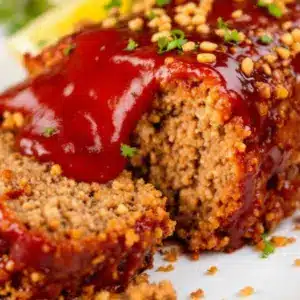
Potential Allergens: Fish (salmon) and dairy (butter). If you’re serving someone with a fish allergy, you can substitute the salmon with chicken thighs or tofu using the same cooking method. I’ve made this with my old-fashioned meatloaf with brown sugar glaze when I want a completely different meal, but for a quick weeknight dinner, this salmon is hard to beat.
Conclusion
This Easy One-Pan Lemon Garlic Butter Salmon with Asparagus has become a staple in my kitchen for good reason. It’s fast, it’s flavorful, and it makes me feel like I’ve got dinner handled without any stress. The combination of crispy-skinned salmon, tender-crisp asparagus, and that bright, buttery garlic sauce is just unbeatable.
I love how forgiving this recipe is. You can swap the vegetables, adjust the seasonings, or change the cooking method based on what you have and what you’re in the mood for. It’s the kind of dish that grows with you—you can make it exactly as written the first time, then start experimenting once you’re comfortable.
If you give this recipe a try, I’d love to hear how it goes. Did you add any extra herbs? Swap the asparagus for something else? Make it for a special occasion or just a regular Tuesday? Drop a comment below and let me know. And if you’re looking for more quick and easy dinner ideas, check out some of my other one-pan meals on the blog. Happy cooking, friends!
Frequently Asked Questions
Can I use frozen salmon for this recipe?
Yes, you can use frozen salmon, but it’s important to thaw it completely first. Place the frozen fillets in the refrigerator overnight, or thaw them in a bowl of cold water for about 30 minutes. Pat them very dry before cooking to ensure they get crispy. Frozen salmon tends to release more water, so you may need to cook it an extra 2-3 minutes.
How do I know when the salmon is fully cooked?
The easiest way to check is with a fork. Gently press the thickest part of the fillet—if the flesh flakes easily and is opaque all the way through, it’s done. For the most accurate result, use an instant-read thermometer. Salmon is done at 125°F (52°C) for medium-rare or 135°F (57°C) for well-done. The USDA recommends cooking fish to 145°F, but many chefs prefer it slightly less done for better texture.
Can I make this recipe without the asparagus?
Absolutely. You can swap the asparagus for almost any vegetable that roasts well. Broccoli, green beans, zucchini, bell peppers, and cherry tomatoes all work great. Just adjust the cooking time based on the vegetable you choose. Heartier vegetables like broccoli or Brussels sprouts may need an extra 5 minutes, while tender vegetables like zucchini may cook faster.
Why is my salmon sticking to the pan?
Salmon sticks for a few reasons. The most common is that the pan wasn’t hot enough when you added the fish. Make sure your oven is fully preheated to 400°F before putting the pan in. Another reason is that the skin wasn’t dry enough. Pat the salmon thoroughly with paper towels before seasoning. Using parchment paper or a well-seasoned cast-iron skillet also helps prevent sticking.
Can I double this recipe for a crowd?
Yes, but you’ll need to use two baking sheets or cook in batches. Overcrowding the pan will cause the salmon and asparagus to steam instead of roast, and they won’t brown properly. If you’re using two pans, rotate them halfway through cooking for even results. You may also need to add a few extra minutes to the cooking time if the pans are crowded.
Pin This Recipe!
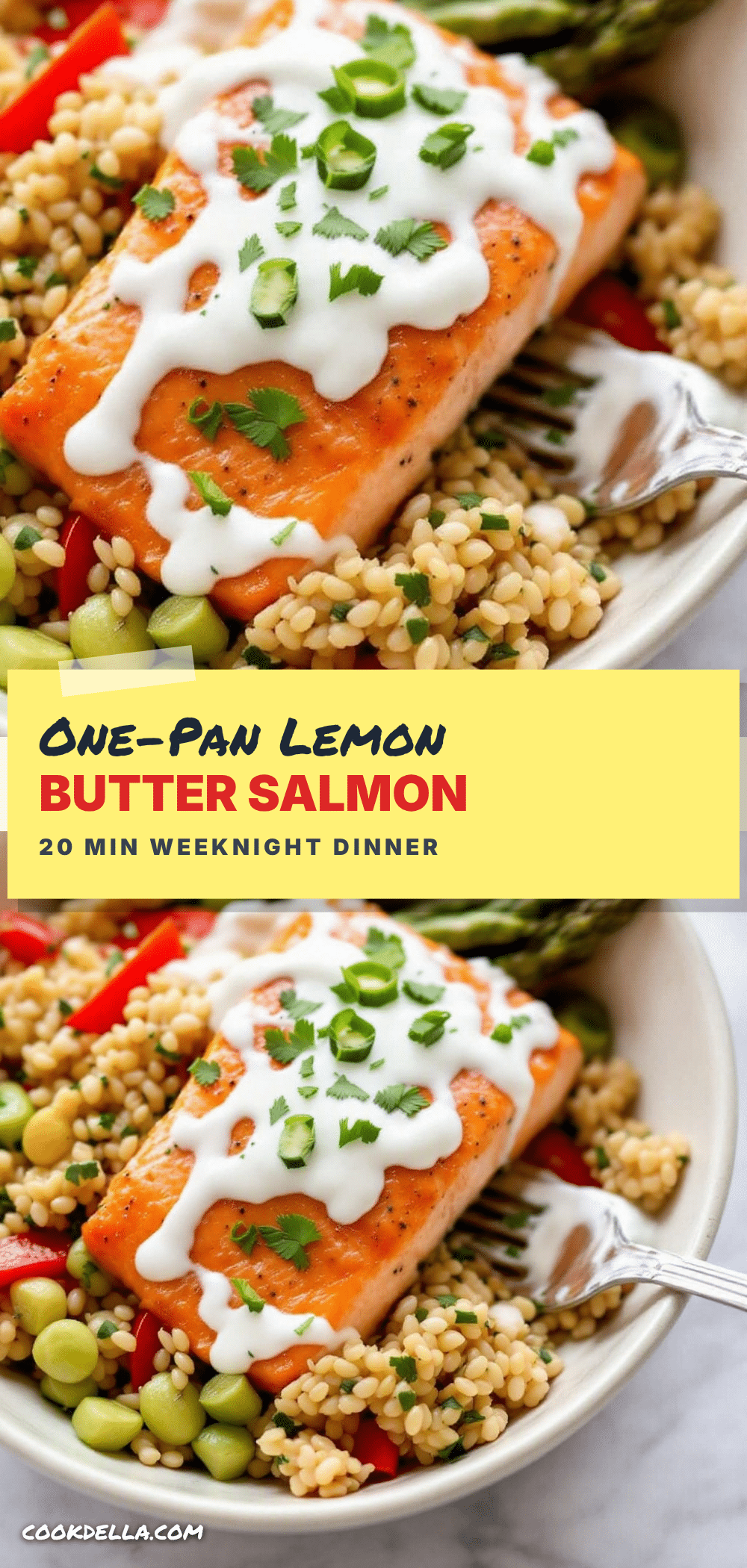
Easy One-Pan Lemon Garlic Butter Salmon with Asparagus
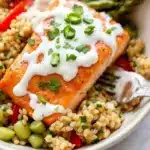
Tender, flaky salmon with crispy edges and tender-crisp asparagus, all coated in a bright lemon garlic butter sauce. This one-pan meal comes together in under 25 minutes with minimal cleanup.
- Prep Time: 10 minutes
- Cook Time: 15 minutes
- Total Time: 25 minutes
- Yield: 4 servings 1x
- Category: Main Course
- Cuisine: American
Ingredients
- 4 (6-ounce) salmon fillets
- 1 bunch asparagus (about 1 pound)
- 3 tablespoons unsalted butter
- 4 cloves garlic, minced
- 1 large lemon (zest and juice)
- 2 tablespoons olive oil
- Salt and black pepper to taste
- Optional: fresh parsley, chopped, and lemon wedges for serving
Instructions
- Preheat your oven to 400°F (200°C). Position the rack in the center of the oven. Line a large rimmed baking sheet with parchment paper or foil.
- Rinse the asparagus and pat dry. Snap off the woody ends. Place on the baking sheet, drizzle with 1 tablespoon olive oil, season with salt and pepper, and toss to coat. Spread in a single layer on one side of the pan.
- Pat the salmon fillets dry with paper towels. Season both sides generously with salt and pepper. Place skin-side down on the other side of the baking sheet, leaving space between fillets.
- In a small microwave-safe bowl, melt the butter. Stir in the minced garlic, lemon zest, and 1 tablespoon lemon juice.
- Brush the garlic butter mixture over the top of each salmon fillet. Reserve a little for after cooking if desired.
- Cut the zested lemon into thin rounds. Place a few slices on top of the salmon and scatter the rest around the pan.
- Roast for 12-15 minutes, depending on thickness. For medium-rare, cook 12 minutes; for well-done, 15 minutes. Asparagus should be tender-crisp and salmon should flake easily.
- Optional: Broil for the last 1-2 minutes for a golden top, watching closely to avoid burning the garlic.
- Remove from oven and let rest 2-3 minutes. Garnish with fresh parsley and serve with extra lemon wedges.
Notes
Pat salmon dry for crispy skin. Don’t overcrowd the pan. Watch garlic closely if broiling. Use room-temperature salmon for even cooking. Adjust cooking time based on oven and salmon thickness. For thicker asparagus, cut in half lengthwise. Leftovers keep in the refrigerator for up to 3 days; reheat in oven at 300°F for 5-8 minutes.
Nutrition
- Serving Size: 1 salmon fillet with
- Calories: 435
- Sugar: 3.5
- Sodium: 450
- Fat: 30
- Saturated Fat: 11
- Carbohydrates: 9
- Fiber: 3.5
- Protein: 37
Keywords: salmon, asparagus, one-pan, lemon garlic butter, quick dinner, healthy, low-carb, keto, gluten-free