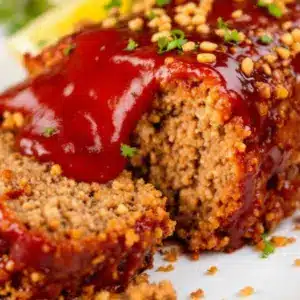
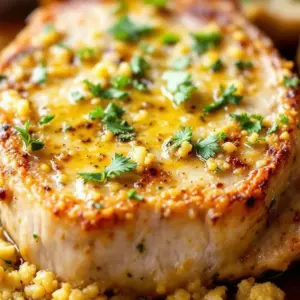
My family had been looking for a holiday ham that actually tasted as good as it smelled. For years, I just accepted that the glossy, clove-studded centerpiece my grandmother pulled out of the oven was more about tradition than flavor. It was always dry. Always a little too salty. And the glaze? It slid right off, leaving a sticky puddle on the carving board instead of clinging to the meat where it belonged. I’d watch everyone pile slices onto their plates, then reach for the store-bought honey mustard to add some life to it. That always felt like a quiet defeat.
Then, about four years ago, I was tasked with hosting Christmas dinner for the first time. My kitchen counters were covered in casserole dishes and pie tins, and the ham was the last thing I wanted to stress over. I remember standing in the grocery aisle, staring at a spiral-cut ham, and thinking, “There has to be a way to make this thing actually juicy and caramelized.” So I started tinkering. I tested glazes that burned, glazes that were too thin, and one particularly sad attempt that tasted more like straight sugar than anything else.
What finally worked—what made everyone at the table stop talking for a second—was a brown sugar glaze with pineapple juice. Not just poured on top, but layered and basted, so the sweetness soaked into the meat while the heat worked its magic. The pineapple added this gentle tang that cut through the richness, and the brown sugar created a crust that was almost like candy. It wasn’t a complicated discovery. It was just the right combination of patience and knowing when to trust the oven.
This recipe stuck because it solved a problem I think a lot of us share: wanting a holiday meal that feels special without the stress of a complicated technique. It’s forgiving. It’s show-stopping. And honestly, it makes the whole house smell like something worth waiting for.
Why You’ll Love This Recipe
This Best Brown Sugar Glazed Ham with Pineapple isn’t just another holiday recipe—it’s the one that will have people asking for the method before they finish their first helping. I’ve tested this approach across multiple holidays and family gatherings, and it consistently delivers a ham that’s tender, deeply flavored, and beautifully caramelized.
- Unbelievably Juicy: The pineapple juice and brown sugar create a basting liquid that keeps the ham moist throughout the long, slow bake. No more dry, stringy slices.
- Simple Ingredients: You likely already have brown sugar, pineapple juice, and a few pantry staples. No need for a specialty grocery run.
- Perfect for Holidays & Gatherings: Whether it’s Easter, Christmas, or a Sunday dinner with the family, this ham feels like an occasion without demanding all-day effort.
- Crowd-Pleaser: The sweet-savory balance appeals to both kids and adults. I’ve seen picky eaters go back for seconds.
- Make-Ahead Friendly: You can prep the glaze and score the ham the night before. Just pop it in the oven when you’re ready.
What makes this version different from the rest is the layering technique. Instead of a single glaze application, you baste the ham every 20 minutes during the final hour of cooking. This builds a thick, sticky crust that doesn’t slide off. The pineapple juice also helps tenderize the meat slightly, giving you slices that are fork-tender without being mushy.
This isn’t just good. It’s the kind of ham that makes you close your eyes after the first bite. It’s comfort food reimagined—familiar, but better. Perfect for impressing guests without the stress, or turning a simple family dinner into something memorable.
What Ingredients You Will Need
This recipe uses simple, wholesome ingredients that come together to create a deeply flavorful glaze and a tender, juicy ham. Most of these are pantry staples, and the ones that aren’t are easy to find at any grocery store.
For the Ham
- 1 (8-10 lb) bone-in, spiral-cut ham (I prefer the brand Hormel or Kirkland for consistent quality; look for one that’s already fully cooked to save time)
- Whole cloves (optional, for studding the ham; about 20-30 cloves)
For the Brown Sugar Pineapple Glaze
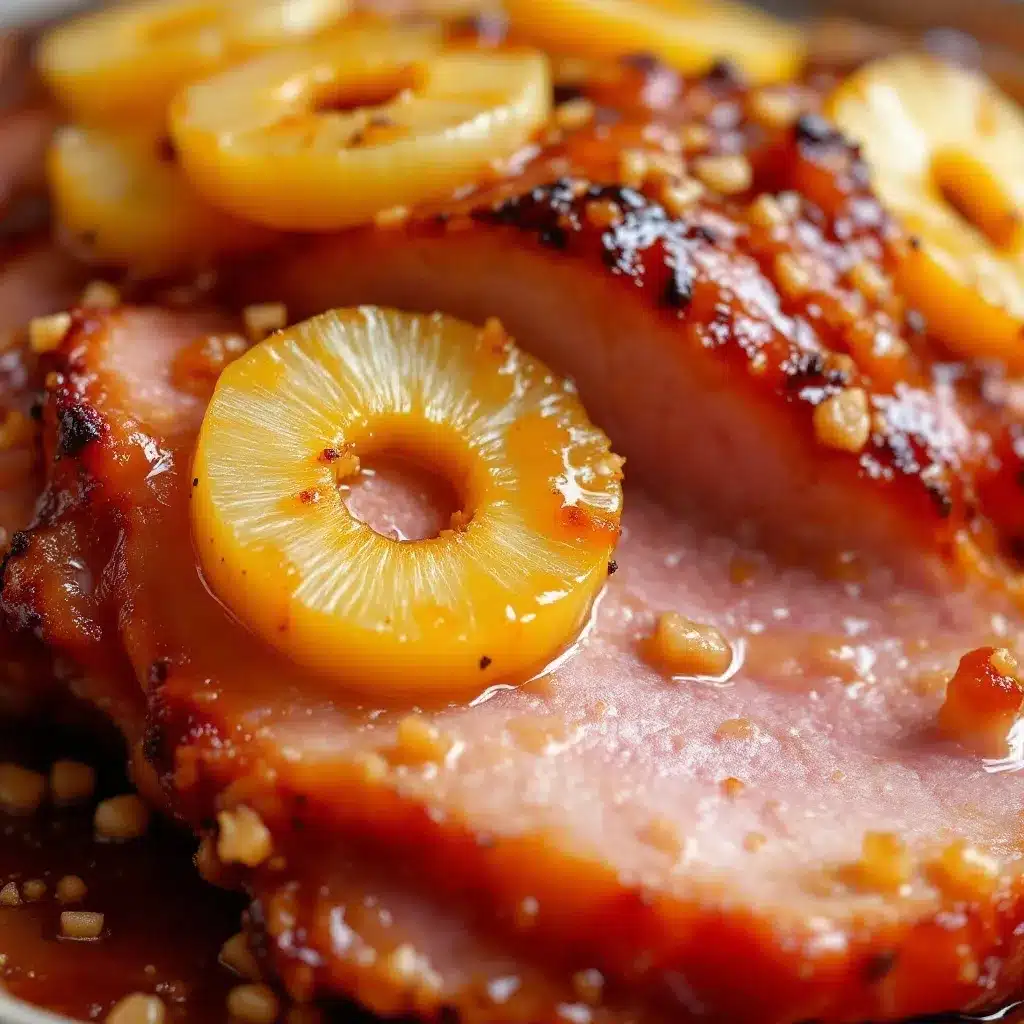
- 2 cups packed light brown sugar (dark brown sugar works too, but the flavor will be richer and more molasses-forward)
- 1 cup pineapple juice (I recommend Dole or Lakewood for pure flavor; avoid blends with added sugar)
- 1/4 cup honey (adds stickiness and helps the glaze caramelize)
- 2 tablespoons Dijon mustard (cuts the sweetness and adds a subtle tang; I use Grey Poupon)
- 1 teaspoon ground cinnamon (warm spice that complements the pineapple beautifully)
- 1/2 teaspoon ground cloves (optional, but it deepens the flavor)
- 1/4 teaspoon ground nutmeg (a pinch adds complexity)
For the Pineapple Topping (Optional)
- 1 can (20 oz) pineapple rings, drained (reserve the juice for the glaze; use Dole for consistent rings)
- Maraschino cherries (for garnish; about 10-12 cherries)
Ingredient Selection Tip: When choosing a ham, look for one that’s labeled “spiral-cut” or “carved.” This makes serving easier and allows the glaze to seep into the cuts. If you can only find a whole ham, you can score it yourself in a diamond pattern. Also, avoid hams that are pre-glazed or flavored—they often have added sugars that can throw off the balance of this recipe.
Substitution Guidance: If you don’t have pineapple juice, you can use orange juice or apple juice for a different flavor profile. For a less sweet glaze, reduce the brown sugar to 1 1/2 cups and add an extra tablespoon of Dijon mustard. If you’re avoiding honey, substitute it with maple syrup or agave nectar.
Equipment Needed
- Large roasting pan with a rack (a 13×9-inch pan works well; the rack keeps the ham elevated so the glaze can drip and caramelize)
- Aluminum foil (for tenting the ham during the first part of cooking)
- Small saucepan (for making the glaze)
- Whisk (to combine glaze ingredients smoothly)
- Basting brush (a silicone brush works best; it doesn’t shed bristles into the glaze)
- Meat thermometer (instant-read is ideal; I use a ThermoPro for accuracy)
- Sharp carving knife (a long, thin knife makes slicing easier)
- Cutting board (large enough to hold the ham)
If you don’t have a roasting rack, you can use a few rolled-up balls of aluminum foil to elevate the ham. It’s not perfect, but it works in a pinch. For the glaze, a non-stick saucepan is helpful because the sugar can stick and burn easily. I learned that the hard way—my first batch of glaze turned into a sticky, burnt mess because I walked away for two minutes. Now I always use a heavy-bottomed pot and stir constantly.
For budget-friendly options, a basic metal roasting pan from the grocery store costs around $10 and works just as well as an expensive one. Just make sure it’s sturdy enough to hold the weight of the ham without bending.
Preparation Method
Step 1: Prepare the Ham
Remove the ham from the refrigerator about 1 hour before cooking. This allows it to come to room temperature, which helps it cook more evenly. Preheat your oven to 325°F (163°C).
If your ham has a plastic disk or cap on the bone, remove it. Rinse the ham briefly under cool water and pat it dry with paper towels. Place the ham flat-side down on the rack in your roasting pan. If it’s spiral-cut, make sure the cuts are facing up so the glaze can seep into them.
Using a sharp knife, score the surface of the ham in a diamond pattern about 1/4-inch deep. If you’re using whole cloves, press one into the center of each diamond. This step is optional, but it adds a lovely aromatic note and makes the ham look beautiful.
Step 2: Make the Glaze
In a small saucepan over medium heat, combine the brown sugar, pineapple juice, honey, Dijon mustard, cinnamon, ground cloves, and nutmeg. Whisk continuously until the sugar dissolves and the mixture comes to a gentle simmer, about 3-4 minutes. Reduce the heat to low and let it simmer for another 2 minutes, stirring occasionally, until it thickens slightly. Remove from heat and set aside.
The glaze should be syrupy but pourable. If it gets too thick, add a splash of pineapple juice to thin it out. If it’s too thin, simmer it for another minute or two. Trust your eyes here—it should coat the back of a spoon.
Step 3: Initial Bake
Cover the ham loosely with aluminum foil, tenting it so the foil doesn’t touch the surface. Place the ham in the preheated oven and bake for 10 minutes per pound. For an 8-pound ham, that’s about 1 hour and 20 minutes. For a 10-pound ham, about 1 hour and 40 minutes.
During this initial bake, the ham is essentially steaming inside the foil. This helps keep it moist and tender. Don’t skip this step—I’ve tried baking it uncovered the whole time, and the ham came out much drier.
Step 4: Apply the Glaze
After the initial bake, remove the ham from the oven. Carefully remove the foil (watch out for the steam—it’s hot!). Using a basting brush, apply a generous layer of the glaze all over the surface of the ham, making sure to work it into the spiral cuts. If you’re using pineapple rings, arrange them on top of the ham and secure them with toothpicks if needed. Place a maraschino cherry in the center of each ring.
Return the ham to the oven, uncovered, and bake for another 30 minutes.
Step 5: Baste and Caramelize
After 30 minutes, remove the ham from the oven and baste it again with the remaining glaze. Use the juices that have collected in the bottom of the pan as well—they’re packed with flavor. Return the ham to the oven and bake for another 20-30 minutes, basting every 10 minutes if possible.
The ham is done when the internal temperature reaches 140°F (60°C) at the thickest part, away from the bone. The glaze should be dark, sticky, and caramelized. If it starts to burn around the edges, tent the ham loosely with foil for the last 10 minutes.
Sensory Cue: The glaze should bubble gently as it bakes. You’ll smell the brown sugar and pineapple caramelizing—it’s a sweet, almost toasty aroma that fills the kitchen. The surface should look glossy and dark amber, not black.
Step 6: Rest and Carve
Remove the ham from the oven and let it rest for 15-20 minutes before carving. This allows the juices to redistribute throughout the meat. If you skip this step, the slices will be drier and the glaze might slide off.
Transfer the ham to a cutting board. Carve along the spiral cuts, or slice against the grain if it’s a whole ham. Serve with the pan juices drizzled on top for extra flavor.
Cooking Tips & Techniques
I’ve made this ham more times than I can count, and I’ve learned a few things the hard way. Here are the tips that make the biggest difference.
Don’t Overcook the Ham: Since most spiral-cut hams are already fully cooked, you’re really just reheating it and building flavor. Overcooking dries it out. Use a meat thermometer and pull it at 140°F. The temperature will rise a few degrees as it rests.
Baste Often: The key to that sticky, caramelized crust is frequent basting. Every 10-15 minutes during the final hour makes a huge difference. I set a timer on my phone so I don’t forget. One time I got distracted by a phone call and missed two basting rounds—the glaze came out patchy and less flavorful.
Watch for Burning: Brown sugar burns easily because of its high sugar content. If you notice the edges of the ham or the pineapple rings turning dark too quickly, tent the ham with foil. You want deep amber, not black.
Use the Pan Juices: The liquid that collects in the bottom of the roasting pan is liquid gold. It’s a combination of pineapple juice, brown sugar, and ham fat. Spoon it over the sliced ham before serving, or use it as a base for a quick sauce. Just skim off some of the fat first if it’s too greasy.
Score Deep Enough: When scoring the ham, make sure the cuts are at least 1/4-inch deep. Shallow scores don’t hold the glaze well, and the pattern fades during cooking. I used to be too gentle with my scoring, and the results were always disappointing.
Multitasking Strategy: While the ham is in its initial bake, I use that time to make the glaze and prep any side dishes. For holidays, I often pair this ham with creamy crockpot cheeseburger potato soup for a comforting meal, or I serve it alongside easy make-ahead breakfast casserole cups for a brunch spread. The ham’s sweet glaze balances beautifully with savory sides.
Variations & Adaptations
This recipe is flexible, and I’ve tried several variations over the years. Here are some of my favorites.
Spicy Brown Sugar Glaze: Add 1 teaspoon of red pepper flakes or a minced chipotle pepper in adobo sauce to the glaze. The heat cuts through the sweetness and adds a smoky depth. I made this version for a New Year’s Eve party, and it was a hit with the spicy food lovers.
Maple Bourbon Glaze: Substitute the honey with maple syrup and add 2 tablespoons of bourbon. Reduce the pineapple juice to 3/4 cup. The bourbon adds a warm, oaky flavor that pairs perfectly with the brown sugar. This is my go-to for fall gatherings.
Honey Garlic Glaze: Skip the pineapple juice and use 1 cup of chicken broth instead. Add 4 minced garlic cloves and 1 tablespoon of soy sauce. This creates a savory-sweet glaze that’s less tropical and more universal. It’s great for Easter when you want something familiar.
Dietary Adaptations: For a gluten-free version, ensure your Dijon mustard is certified gluten-free (most are, but check the label). The recipe is naturally dairy-free and nut-free. If you’re watching your sugar intake, you can reduce the brown sugar to 1 cup and use a sugar substitute like Swerve, but the caramelization won’t be as pronounced.
Different Cooking Methods: You can also cook this ham in a slow cooker. Place the ham in a large slow cooker, pour the glaze over it, and cook on low for 4-5 hours. Baste occasionally if possible. The result is incredibly tender, but you won’t get the same caramelized crust. For a crispier finish, transfer the ham to a baking sheet and broil for 3-5 minutes after slow cooking.
Serving & Storage Suggestions
This ham is best served warm, straight from the oven. The glaze should be sticky and glossy, and the slices should be tender enough to cut with a fork. Arrange the sliced ham on a platter with the pineapple rings and cherries on top. Drizzle a little of the pan juices over the slices for extra moisture.
Complementary Dishes: This ham pairs beautifully with roasted vegetables, mashed potatoes, or a simple green salad. For a holiday spread, I love serving it alongside moist chocolate zucchini bread with cream cheese swirl for dessert. The sweet zucchini bread balances the savory-sweet ham perfectly. If you’re hosting a brunch, the ham also works well with Starbucks copycat pumpkin cream cheese muffins for a cozy morning spread.
Beverage Pairings: A crisp white wine like Riesling or a light Pinot Noir complements the sweetness of the glaze. For non-alcoholic options, sparkling apple cider or a citrusy lemonade works beautifully.
Storage Instructions: Store leftover ham in an airtight container in the refrigerator for up to 4 days. The glaze will soften over time, but the flavor deepens. To reheat, place slices in a baking dish with a splash of pineapple juice or water, cover with foil, and warm in a 300°F oven for 10-15 minutes. You can also microwave individual slices for 30-45 seconds, but the texture won’t be as good.
Freezing: Ham freezes well for up to 3 months. Slice it first, then wrap each portion tightly in plastic wrap and place in a freezer bag. Thaw overnight in the refrigerator before reheating. The glaze may lose some of its stickiness after freezing, but the flavor remains excellent.
Flavor Development: The ham actually tastes better the next day. The flavors meld together, and the sweetness becomes more balanced. I often make this ham a day ahead for big gatherings, then reheat it just before serving. It’s one of those rare dishes that improves with time.
Nutritional Information & Benefits
While this ham is a treat, it does offer some nutritional benefits. Here’s an estimated breakdown per 4-ounce serving (without the pineapple topping):
- Calories: 350
- Protein: 25g
- Fat: 18g
- Carbohydrates: 22g
- Sugar: 20g
- Sodium: 1200mg
Ham is a good source of high-quality protein, which supports muscle repair and satiety. It also provides essential B vitamins, particularly B6 and B12, which are important for energy metabolism and brain function. Pineapple contains bromelain, an enzyme that may aid digestion and reduce inflammation. However, the glaze adds significant sugar and sodium, so this is best enjoyed in moderation as part of a balanced meal.
Dietary Considerations: This recipe is naturally gluten-free, dairy-free, and nut-free. It is not suitable for low-sodium diets due to the ham’s inherent saltiness. If you’re watching your sugar intake, consider reducing the glaze quantity or using a sugar substitute, though the texture will change.
From a wellness perspective, I see this ham as a celebration food. It’s not an everyday meal, but it brings people together around the table. That connection and joy have their own health benefits, and I think that counts for something.
Conclusion
This Best Brown Sugar Glazed Ham with Pineapple is the kind of recipe that turns a simple dinner into a memorable occasion. It’s forgiving enough for beginners, yet impressive enough for experienced cooks. The combination of sweet brown sugar, tangy pineapple, and tender ham creates a flavor profile that feels both familiar and special.
I love this recipe because it solves a problem I struggled with for years: how to make a ham that’s actually juicy and flavorful, not just a dry centerpiece. The basting technique and the pineapple juice make all the difference. Every time I make it, I’m reminded that sometimes the best recipes come from simple, patient adjustments.
I encourage you to try this recipe and make it your own. Adjust the spices, try a different juice, or add a spicy kick. Cooking is about experimenting and finding what works for you. And when you do make it, I’d love to hear how it turned out. Leave a comment below, share your photos, or tag me on social media. Your feedback helps me create better recipes for all of us.
Happy cooking, and may your kitchen always smell like something wonderful.
Frequently Asked Questions
Can I use a boneless ham for this recipe?
Yes, you can use a boneless ham, but the cooking time will be slightly shorter because boneless hams are usually more compact. Start checking the internal temperature about 30 minutes earlier than the recipe suggests. The glaze will still work beautifully, but the presentation won’t be as dramatic since you won’t have the bone for visual impact.
Do I need to use spiral-cut ham?
No, you don’t have to use a spiral-cut ham. A whole ham works just as well. Just score the surface in a diamond pattern so the glaze can seep into the cuts. The spiral-cut ham is convenient for serving and allows the glaze to penetrate deeper, but a whole ham is perfectly fine.
Can I make the glaze ahead of time?
Absolutely! You can make the glaze up to 3 days in advance. Store it in an airtight container in the refrigerator. When you’re ready to use it, reheat it gently on the stovetop or in the microwave until it’s pourable again. If it’s too thick after refrigeration, add a splash of pineapple juice to thin it out.
What if my ham is too salty?
If your ham turns out saltier than you’d like, you can soak it in cold water for 30-60 minutes before cooking. This helps draw out some of the salt. Pat it dry thoroughly before proceeding with the recipe. Also, using a glaze with more pineapple juice can help balance the saltiness.
How do I prevent the glaze from burning?
To prevent the glaze from burning, keep a close eye on the ham during the final baking stage. If you notice the edges turning dark too quickly, tent the ham loosely with aluminum foil. Also, make sure your oven temperature is accurate—an oven that runs hot can cause the sugar to burn. Using a lower rack position can also help, as the heat is more even there.
Pin This Recipe!
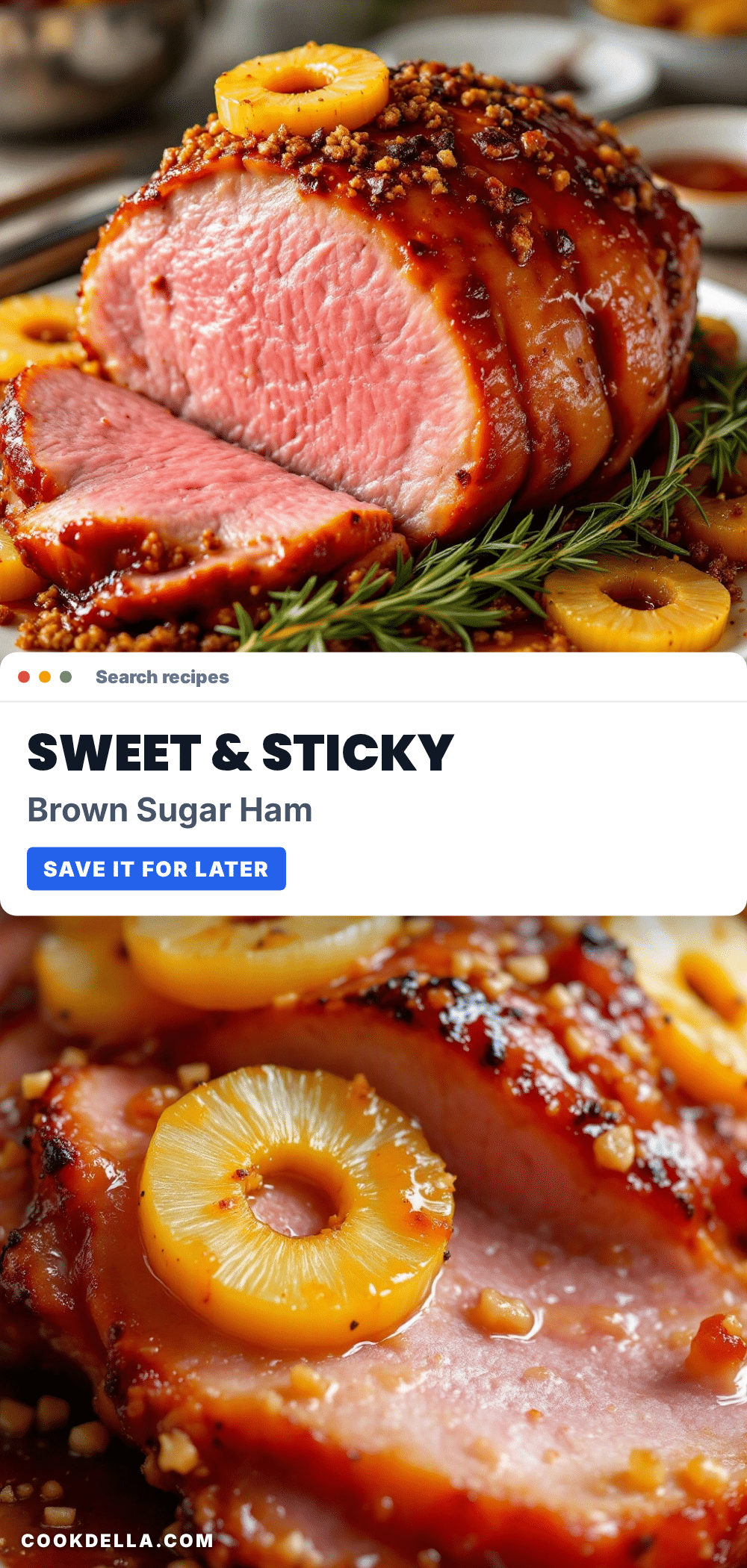
Best Brown Sugar Glazed Ham with Pineapple (Easy & Juicy)

This brown sugar glazed ham with pineapple is tender, juicy, and caramelized, perfect for holidays and gatherings. The layering basting technique builds a thick, sticky crust that doesn’t slide off.
- Prep Time: 15 minutes
- Cook Time: 1 hour 50 minutes to 2 hours 20 minutes
- Total Time: 2 hours 5 minutes to 2 hours 35 minutes
- Yield: 12-16 servings 1x
- Category: Main Course
- Cuisine: American
Ingredients
- 1 (8-10 lb) bone-in, spiral-cut ham
- Whole cloves (optional, about 20-30 cloves)
- 2 cups packed light brown sugar
- 1 cup pineapple juice
- 1/4 cup honey
- 2 tablespoons Dijon mustard
- 1 teaspoon ground cinnamon
- 1/2 teaspoon ground cloves (optional)
- 1/4 teaspoon ground nutmeg
- 1 can (20 oz) pineapple rings, drained (optional)
- Maraschino cherries (for garnish, about 10-12 cherries)
Instructions
- Remove the ham from the refrigerator about 1 hour before cooking. Preheat oven to 325°F (163°C).
- If your ham has a plastic disk or cap on the bone, remove it. Rinse the ham briefly under cool water and pat it dry with paper towels. Place the ham flat-side down on the rack in your roasting pan. If it’s spiral-cut, make sure the cuts are facing up.
- Using a sharp knife, score the surface of the ham in a diamond pattern about 1/4-inch deep. If using whole cloves, press one into the center of each diamond.
- In a small saucepan over medium heat, combine the brown sugar, pineapple juice, honey, Dijon mustard, cinnamon, ground cloves, and nutmeg. Whisk continuously until the sugar dissolves and the mixture comes to a gentle simmer, about 3-4 minutes. Reduce heat to low and simmer for another 2 minutes, stirring occasionally, until it thickens slightly. Remove from heat and set aside.
- Cover the ham loosely with aluminum foil, tenting it so the foil doesn’t touch the surface. Bake for 10 minutes per pound (for an 8-pound ham, about 1 hour 20 minutes; for a 10-pound ham, about 1 hour 40 minutes).
- After the initial bake, remove the ham from the oven. Carefully remove the foil. Using a basting brush, apply a generous layer of the glaze all over the surface of the ham, working it into the spiral cuts. If using pineapple rings, arrange them on top and secure with toothpicks if needed. Place a maraschino cherry in the center of each ring.
- Return the ham to the oven, uncovered, and bake for another 30 minutes.
- After 30 minutes, remove the ham from the oven and baste again with the remaining glaze and pan juices. Return to the oven and bake for another 20-30 minutes, basting every 10 minutes if possible. The ham is done when the internal temperature reaches 140°F (60°C) at the thickest part, away from the bone.
- Remove the ham from the oven and let it rest for 15-20 minutes before carving.
- Transfer the ham to a cutting board. Carve along the spiral cuts, or slice against the grain if it’s a whole ham. Serve with the pan juices drizzled on top.
Notes
For best results, baste every 10-15 minutes during the final hour. If the glaze starts to burn, tent the ham loosely with foil. The ham tastes even better the next day. Leftovers can be stored in the refrigerator for up to 4 days or frozen for up to 3 months.
Nutrition
- Serving Size: 4 ounces
- Calories: 350
- Sugar: 20
- Sodium: 1200
- Fat: 18
- Saturated Fat: 6
- Carbohydrates: 22
- Protein: 25
Keywords: brown sugar glazed ham, pineapple ham, holiday ham, Easter ham, Christmas ham, spiral ham, glazed ham