“What do you do with all those figs?” My neighbor Maria leaned over the fence, holding a grocery bag literally overflowing with the most beautiful purple-black figs I had ever seen. Her tree had gone into overdrive, and she was practically begging people to take them off her hands. I grabbed the bag, honestly not sure what I was going to do with five pounds of figs, but I couldn’t say no. That was the moment this Homemade Honey Balsamic Fig Jam with Fresh Thyme was born.
I stood in my kitchen that afternoon, the figs sitting on my counter like a challenge. They were so perfect — soft, sweet, and that deep purple color that makes you think of late summer afternoons. I knew I couldn’t eat them all fresh, and I had this bottle of good balsamic vinegar sitting there, almost winking at me. The honey was a no-brainer, and the fresh thyme from my little garden patch just felt right.
This jam isn’t your grandma’s fig jam — not that there’s anything wrong with that. It’s got this whole savory-sweet thing going on that makes you stop and think, “Huh, that’s interesting.” The balsamic adds a tangy depth that cuts through the sweetness, and the thyme brings this earthy, almost peppery note that ties everything together. It’s the kind of thing you put on a cheese board and suddenly everyone’s asking you for the recipe.
Honestly, I didn’t plan on making jam that day. But sometimes the best recipes come from a neighbor with an overachieving fig tree and a kitchen full of possibilities. This one stuck because it’s simple — just five ingredients — but it tastes like you spent hours fussing over it. And really, isn’t that the best kind of recipe?
Why You’ll Love This Recipe
Let me tell you why this jam is going to become your new favorite thing. I’ve made this batch after batch, tweaking the ratios and testing different honey varieties, and I can confidently say this version is the one. It’s the kind of recipe that makes you look like a kitchen wizard without actually having to be one.
- Only 5 Ingredients : Figs, honey, balsamic vinegar, fresh thyme, and a pinch of salt. That’s it. No pectin, no complicated steps, no weird additives. You probably have most of these in your kitchen right now.
- No Canning Experience Needed : This is a small-batch refrigerator jam, so you don’t need to mess with water baths or sterilizing jars like a pro. Just cook, cool, and enjoy. Perfect for beginners.
- Sweet and Savory Perfection : The honey brings natural sweetness, the balsamic adds tangy complexity, and the fresh thyme gives it this unexpected savory twist that makes it incredibly versatile.
- Ready in Under an Hour : From start to finish, you’re looking at about 45 minutes. Most of that is just letting it simmer and thicken on the stove.
- Makes You Look Fancy : Let’s be real — homemade jam with fresh herbs sounds impressive. Serve this at a brunch or give it as a gift, and people will think you took a cooking class.
What makes this recipe different from other fig jams is the balance. I’ve tried versions that were cloyingly sweet or too vinegary, and this one hits that sweet spot where every flavor gets along. The fresh thyme isn’t just a garnish — it actually infuses the jam with this subtle herbal note that makes you want to keep tasting it. I tested this with dried thyme too, and trust me, fresh is non-negotiable here.
This jam is the kind of thing that makes a simple snack feel special. Spread it on crusty bread with some goat cheese, and you’ve got an appetizer that disappears in minutes. Or spoon it over Greek yogurt for breakfast and pretend you’re at a fancy café. It’s comfort food reimagined — simple ingredients doing something surprisingly delicious together.
What Ingredients You Will Need
This recipe uses just five simple ingredients to create something that tastes way more complex than it should. Each one plays a specific role, and I’ve tested enough batches to know that quality matters here — especially with the honey and balsamic.
For the Jam
- 2 pounds fresh figs, stemmed and quartered (about 6 cups) — Look for figs that are soft but not mushy. Black Mission or Brown Turkey figs work great. If they’re slightly underripe, that’s fine — they’ll soften as they cook. (I prefer Black Mission for their intense sweetness and deep color.)
- 1/2 cup honey — Use a good-quality honey here, not the stuff in the plastic bear bottle. Wildflower or orange blossom honey adds lovely floral notes. (If your honey is crystallized, just warm it up slightly before measuring.)
- 1/4 cup balsamic vinegar — This is where you want to use the good stuff. A balsamic that’s thick and syrupy will give you better flavor than the cheap watery kind. I recommend a 3-year aged balsamic for the right balance of sweet and tangy.
- 2 tablespoons fresh thyme leaves, plus sprigs for cooking — Fresh thyme is essential here. The leaves are delicate and aromatic, while the stems add a subtle woodsy flavor as they simmer. (Strip the leaves from about 6-8 sprigs.)
- Pinch of sea salt — Just a tiny pinch. It sounds weird, but salt actually enhances the sweetness and helps balance the acidity of the balsamic. Don’t skip it.
Ingredient Tips & Sourcing
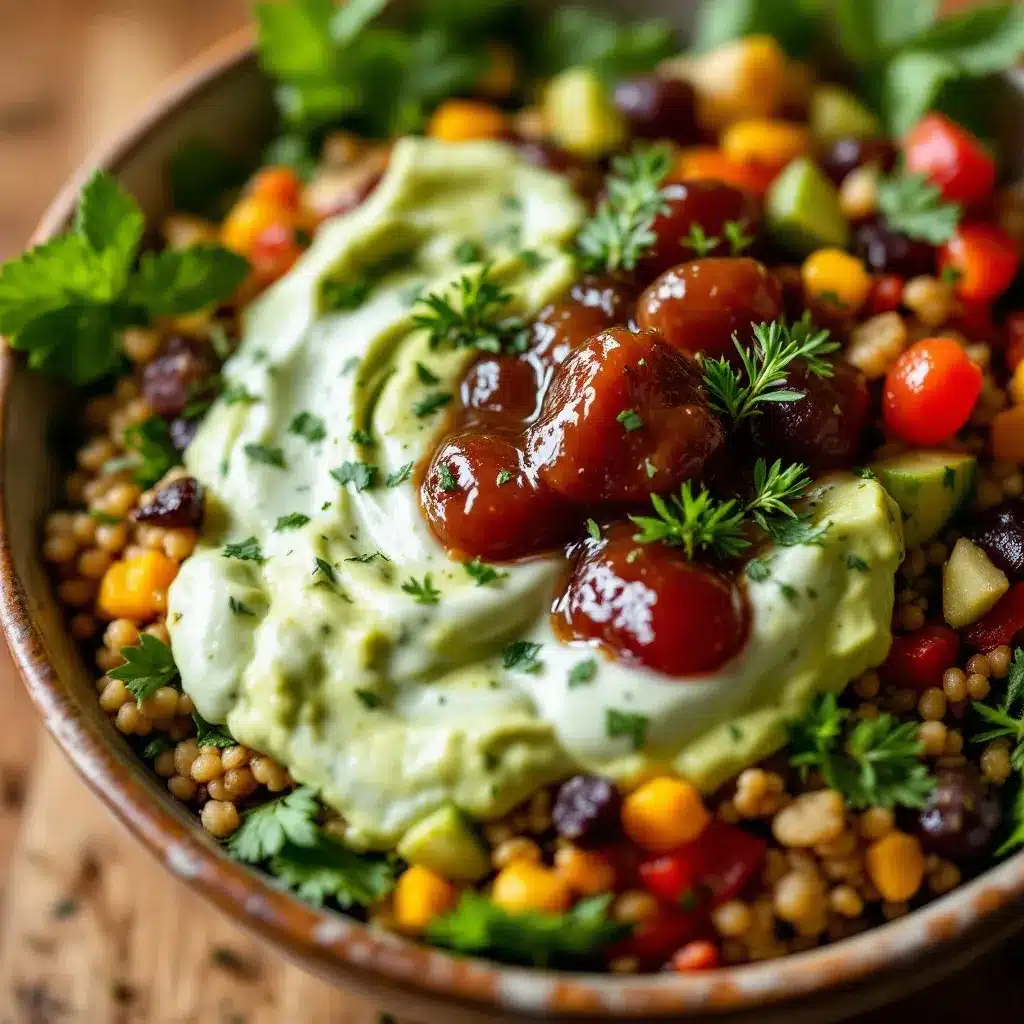
For the figs, look for ones that give slightly when pressed but aren’t leaking or overly soft. If you can’t find fresh figs, you can use frozen figs — just thaw them first and drain any excess liquid. I’ve tried this with dried figs too, but you’ll need to rehydrate them first and adjust the cooking time. Honestly, fresh is best here.
The honey really matters. I’ve made this with cheap honey and with local wildflower honey, and the difference is night and day. The good honey adds this complexity that makes the jam taste more sophisticated. If you’re vegan, you can substitute maple syrup, though the flavor will be slightly different — more caramel-like.
For the balsamic vinegar, don’t use the super expensive 20-year aged stuff — that’s for drizzling on strawberries. A good mid-range balsamic (about $8-12 per bottle) works perfectly. The flavor should be sweet and tangy without being harsh or overly acidic.
Fresh thyme is easy to find in most grocery stores, and it’s one of those herbs that keeps well in the fridge for a week or two. If you’re growing your own, even better. Just make sure to wash it well and pat it dry before using.
Equipment Needed
You don’t need a lot of fancy equipment for this recipe, which is part of why I love it. Here’s what you’ll need:
- Heavy-bottomed saucepan or Dutch oven — A 3-4 quart pot works perfectly. The heavy bottom helps prevent scorching. I use my Le Creuset Dutch oven, but any sturdy pot will do.
- Wooden spoon or silicone spatula — For stirring. A wooden spoon gives you good leverage, but silicone works fine too.
- Chef’s knife and cutting board — For prepping the figs and thyme. A sharp knife makes quartering the figs much easier.
- Measuring cups and spoons — For accurate measurements. I know some people eyeball it, but with jam, precision matters for the right consistency.
- Fine-mesh strainer — Optional, but helpful if you want to remove the thyme sprigs and any stray seeds for a smoother jam.
- Glass jars with lids — Two 8-ounce jars or one 16-ounce jar works well. Make sure they’re clean and dry. Mason jars are perfect.
- Funnel — Makes transferring the hot jam into jars much less messy. A wide-mouth funnel is ideal.
If you don’t have a heavy-bottomed pot, just keep an eye on the heat and stir more frequently. I’ve made this in a regular stainless steel pot before, and it worked fine — I just had to be more careful about sticking.
Preparation Method
Alright, let’s make some jam. This is straightforward, but I’ll walk you through every step so you know exactly what to expect. The whole process takes about 45 minutes, and most of that is hands-off simmering time.
- Prep the figs (5 minutes) — Wash your figs gently under cool water and pat them dry. Cut off the hard stems and quarter each fig. Don’t worry if they’re not perfectly uniform — they’ll break down as they cook. (If you have really large figs, you can cut them into sixths instead.)
- Combine everything in the pot (2 minutes) — Add the quartered figs, honey, balsamic vinegar, and a pinch of salt to your saucepan. Toss in a few whole sprigs of fresh thyme — about 4-5 sprigs. The stems will infuse flavor as the jam cooks, and you’ll remove them later. Reserve the thyme leaves for adding at the end.
- Bring to a simmer (5-7 minutes) — Set the pot over medium heat and stir everything together. You’ll see the figs start to release their juices and the honey and balsamic will create this beautiful dark liquid. Once it starts bubbling gently, reduce the heat to medium-low. You want a steady simmer, not a rolling boil.
- Simmer and stir (20-25 minutes) — Let the mixture simmer gently, stirring occasionally. The figs will soften and start to break apart. Use your spoon to gently mash some of the larger pieces against the side of the pot. You want some texture, so don’t mash everything — leave some chunks for that rustic jam feel. The mixture will thicken as it cooks. You’ll know it’s ready when it coats the back of your spoon and doesn’t immediately run off.
- Check the consistency (visual cue) — Here’s a little trick I learned: put a small plate in the freezer before you start. When you think the jam is done, drop a tiny spoonful onto the cold plate. Let it sit for 30 seconds, then run your finger through it. If it wrinkles and holds its shape, it’s ready. If it’s still runny, let it simmer for another 5 minutes and test again.
- Remove the thyme sprigs (1 minute) — Once the jam has reached the right consistency, use tongs or a fork to fish out the thyme sprigs. Don’t worry if a few leaves fall off — that’s fine. They’ll add flavor.
- Stir in fresh thyme leaves (1 minute) — Turn off the heat and stir in the fresh thyme leaves you set aside earlier. This adds that bright, herbal finish that makes this jam special. Let the jam cool in the pot for about 10 minutes.
- Transfer to jars (5 minutes) — Using your funnel, carefully spoon the warm jam into clean glass jars. Leave about 1/2 inch of headspace at the top. Let the jars cool completely to room temperature before putting the lids on. (If you put the lids on while the jam is hot, condensation can form inside.)
Pro tip: If you want a smoother jam, you can use an immersion blender for just a few seconds before adding the fresh thyme. I prefer a chunkier texture, so I skip this step, but it’s totally up to you.
Cooking Tips & Techniques
I’ve made this jam more times than I can count, and I’ve definitely learned a few things the hard way. Here are my best tips for getting it right every time:
Don’t walk away from the pot. I know it’s tempting to start cleaning up while the jam simmers, but fig jam can go from perfect to burnt pretty quickly, especially near the end. Stir every few minutes and keep an eye on the heat. If it starts sticking to the bottom, reduce the heat slightly.
Use a heavy-bottomed pot. This isn’t just me being fancy — it really does make a difference. The heavy bottom distributes heat more evenly and prevents hot spots that can cause scorching. I learned this after burning my first batch in a thin pot. Lesson learned.
Taste as you go. Fig sweetness varies depending on the variety and ripeness. Start with the recommended amount of honey, but feel free to add a little more if your figs aren’t super sweet. I’ve had batches where I added an extra tablespoon of honey because the figs were a bit tart.
Don’t overcook it. The jam will continue to thicken as it cools, so it’s better to pull it off the heat when it’s still slightly runny than to cook it until it’s super thick. If you overcook it, you’ll end up with something closer to fig paste than jam. Still delicious, but harder to spread.
Let it cool completely before refrigerating. I know you’ll want to taste it right away (and honestly, you should — warm jam is amazing), but for storage, let the jars cool completely before putting them in the fridge. This prevents condensation and helps the jam last longer.
Use the freezer plate test. I mentioned this in the method, but it’s worth repeating. This is the most reliable way to check if your jam is done without guessing. Keep that plate in the freezer whenever you’re making jam.
Variations & Adaptations
One of the best things about this recipe is how easy it is to adapt. Here are some variations I’ve tried and loved:
Spiced Fig Jam — Add 1 cinnamon stick and 2 star anise pods to the pot while the jam simmers. Remove them before jarring. The warm spices complement the honey and figs beautifully. I made this version for a holiday cheese board, and it was a huge hit.
Vanilla Fig Jam — Split a vanilla bean and scrape the seeds into the pot with the figs. Toss the pod in too. The vanilla adds this floral sweetness that makes the jam feel extra luxurious. Perfect for spooning over ice cream or pancakes.
Rosemary Fig Jam — Swap the fresh thyme for fresh rosemary. Use about 1 tablespoon of finely chopped rosemary leaves. The piney flavor of rosemary works surprisingly well with figs and balsamic. This version is amazing with roasted pork or chicken.
Low-Sugar Version — Reduce the honey to 1/4 cup and add 2 tablespoons of chia seeds to help thicken the jam. The chia seeds will absorb liquid and create a gel-like consistency without needing as much sweetener. This version is less sweet but still delicious.
Spicy Fig Jam — Add 1/2 teaspoon of red pepper flakes or a small dried chili to the pot while simmering. The heat adds a nice kick that cuts through the sweetness. Great for serving with sharp cheeses or on a sandwich with roasted turkey.
I’ve personally tried the rosemary version and ended up using it as a glaze for a crispy lemon rosemary salmon sheet pan dinner, and honestly, it was incredible. The sweet and savory combo just works.
Serving & Storage Suggestions
This jam is incredibly versatile, and I love finding new ways to use it. Here are some of my favorite serving ideas:
Cheese Board Essential — This jam is made for cheese boards. Serve it alongside a sharp cheddar, creamy brie, or tangy goat cheese. The sweet and savory flavors complement almost any cheese. Add some crusty bread or crackers, and you’ve got an appetizer that disappears fast.
Breakfast Upgrade — Spread it on toast, English muffins, or croissants for an instant breakfast upgrade. It’s also amazing swirled into Greek yogurt or oatmeal. I’ve been known to eat it straight from the jar with a spoon, but that’s between us.
Savory Pairings — Use it as a glaze for roasted chicken, pork, or salmon. Brush it on during the last 10 minutes of cooking for a beautiful, flavorful finish. It also works great as a spread on sandwiches — try it with turkey and brie for a next-level lunch.
Dessert Topping — Spoon it over vanilla ice cream, pound cake, or cheesecake. Warm it up slightly for an extra indulgent treat. I’ve even used it as a filling for thumbprint cookies, and they were incredible.
Storage — Store the jam in an airtight jar in the refrigerator for up to 3 weeks. The flavors actually deepen and meld together after a day or two, so it gets even better with time. For longer storage, you can freeze the jam for up to 6 months. Just leave some headspace in the jar to allow for expansion.
Reheating — If the jam thickens too much in the fridge, just let it sit at room temperature for 15-20 minutes before using. You can also microwave it for 10-15 seconds to loosen it up. Don’t overheat it, or the honey flavor can become too pronounced.
If you’re looking for more ways to use fresh produce, you might enjoy this fresh quinoa and kale power bowl with lemon tahini dressing — it’s another great way to use up seasonal ingredients in a creative way.
Nutritional Information & Benefits
While this jam is a treat, it does have some nutritional benefits worth noting. Here’s the estimated nutritional breakdown per 1-tablespoon serving:
| Nutrient | Amount |
|---|---|
| Calories | 45 |
| Total Fat | 0g |
| Sodium | 10mg |
| Total Carbohydrates | 12g |
| Dietary Fiber | 1g |
| Sugars | 10g |
| Protein | 0g |
Health Benefits — Figs are a good source of dietary fiber, which supports digestive health. They also contain potassium, calcium, and antioxidants. Honey provides natural antibacterial properties and can help soothe sore throats. Fresh thyme is rich in vitamin C and has antimicrobial properties. Balsamic vinegar contains antioxidants that may help support heart health.
Dietary Considerations — This recipe is naturally gluten-free, dairy-free, and vegetarian. For a vegan option, substitute the honey with maple syrup or agave nectar. It’s also free from common allergens like nuts, eggs, and soy.
Potential Allergens — None from the ingredients themselves, but if you have pollen allergies, you may want to use a mild honey to avoid any potential reaction. Always check your specific ingredients if you have concerns.
Personal Note — I love that this jam lets me enjoy the sweetness of figs without all the processed sugar found in store-bought jams. It’s a more natural way to satisfy a sweet craving, and knowing exactly what’s in it makes me feel good about sharing it with my family.
Conclusion
This Homemade Honey Balsamic Fig Jam with Fresh Thyme is one of those recipes that makes you feel like you’ve discovered a secret. It’s simple enough for a Tuesday afternoon but impressive enough for a holiday gathering. The combination of sweet figs, rich honey, tangy balsamic, and fresh thyme is just perfect — and it all comes together with minimal effort.
I love that this recipe is so adaptable. Whether you keep it classic or try one of the variations, you’ll end up with something delicious that you’ll want to put on everything. And honestly, isn’t that the best kind of recipe to have in your back pocket?
I’d love to hear how yours turns out! Did you try a variation? What did you serve it with? Drop a comment below and let me know — your ideas might inspire someone else to try something new. And if you’re looking for more easy, flavorful recipes, check out our recipe collection for more inspiration. Happy cooking!
Frequently Asked Questions
Can I use dried figs instead of fresh?
Yes, you can use dried figs, but you’ll need to rehydrate them first. Soak them in warm water for about 30 minutes until they soften, then drain and chop them. You may also need to add a little extra liquid (about 1/4 cup of water) to help them break down during cooking. The flavor will be more concentrated and slightly sweeter than fresh figs.
How do I know when the jam is done?
The best way to test is the freezer plate method. Put a small plate in the freezer before you start cooking. When you think the jam is ready, drop a small spoonful onto the cold plate. Let it sit for 30 seconds, then run your finger through it. If it wrinkles and holds its shape, it’s done. If it’s still runny, cook for another 5 minutes and test again.
Can I can this jam for long-term storage?
This recipe is designed as a small-batch refrigerator jam, so it’s not tested for safe water-bath canning. The honey and balsamic vinegar affect the acidity levels, which are important for safe canning. If you want to store it longer, freeze it instead. It will keep in the freezer for up to 6 months.
What if my jam is too thick or too runny?
If your jam is too thick, you can thin it out by stirring in a tablespoon of warm water at a time until it reaches your desired consistency. If it’s too runny, return it to the pot and simmer for another 5-10 minutes, stirring frequently. Remember that the jam will thicken more as it cools, so don’t overcook it.
Can I reduce the honey for a less sweet jam?
Absolutely! You can reduce the honey to 1/4 cup, but you may need to add a little extra liquid to compensate. Try adding 2 tablespoons of water or apple juice. The jam will be less sweet, but the figs and balsamic will still provide plenty of flavor. If you reduce the honey too much, the jam might not set as firmly, but it will still taste delicious.
If you’re looking for a refreshing drink to pair with this jam on a cheese board, try this fresh cucumber mint green tea cooler — it’s a perfect complement to the sweet and savory flavors of the jam.
Pin This Recipe!
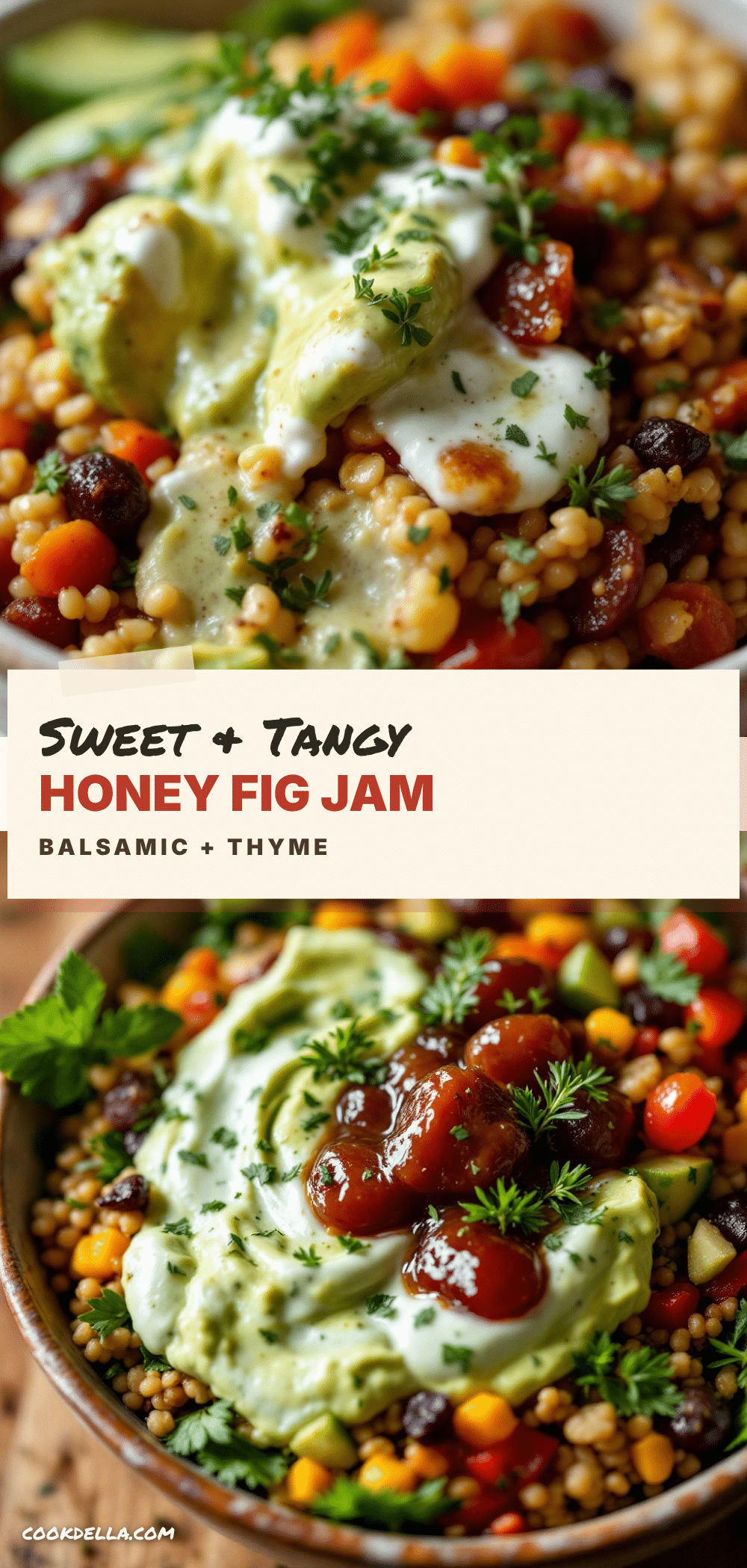
Homemade Honey Balsamic Fig Jam with Fresh Thyme – Easy 5-Ingredient Recipe

This simple 5-ingredient fig jam combines sweet figs, rich honey, tangy balsamic vinegar, and fresh thyme for a savory-sweet spread that’s perfect on cheese boards, toast, or as a glaze. Ready in under an hour with no canning experience needed.
- Prep Time: 10 minutes
- Cook Time: 30 minutes
- Total Time: 45 minutes
- Yield: 2 cups (16 servings of 2 tablespoons each) 1x
- Category: Condiment
- Cuisine: American
Ingredients
- 2 pounds fresh figs, stemmed and quartered (about 6 cups)
- 1/2 cup honey
- 1/4 cup balsamic vinegar
- 2 tablespoons fresh thyme leaves, plus sprigs for cooking
- Pinch of sea salt
Instructions
- Prep the figs (5 minutes): Wash figs gently under cool water and pat dry. Cut off hard stems and quarter each fig. For large figs, cut into sixths.
- Combine everything in the pot (2 minutes): Add quartered figs, honey, balsamic vinegar, and a pinch of salt to a heavy-bottomed saucepan or Dutch oven. Toss in 4-5 whole sprigs of fresh thyme. Reserve thyme leaves for later.
- Bring to a simmer (5-7 minutes): Set pot over medium heat and stir. Once bubbling gently, reduce heat to medium-low for a steady simmer.
- Simmer and stir (20-25 minutes): Let mixture simmer gently, stirring occasionally. Use a spoon to gently mash some larger fig pieces against the pot. Leave some chunks for texture. Cook until mixture coats the back of a spoon and doesn’t immediately run off.
- Check consistency: Place a small plate in the freezer before starting. Drop a tiny spoonful of jam onto the cold plate. Let sit for 30 seconds, then run your finger through it. If it wrinkles and holds its shape, it’s ready. If still runny, simmer 5 more minutes and test again.
- Remove thyme sprigs (1 minute): Use tongs or a fork to fish out the thyme sprigs. A few fallen leaves are fine.
- Stir in fresh thyme leaves (1 minute): Turn off heat and stir in reserved fresh thyme leaves. Let jam cool in pot for about 10 minutes.
- Transfer to jars (5 minutes): Using a funnel, carefully spoon warm jam into clean glass jars, leaving 1/2 inch headspace. Let jars cool completely to room temperature before putting lids on.
Notes
Use fresh thyme, not dried, for best flavor. The jam will thicken as it cools, so remove from heat when still slightly runny. For a smoother jam, use an immersion blender for a few seconds before adding fresh thyme. Store in refrigerator for up to 3 weeks or freeze for up to 6 months.
Nutrition
- Serving Size: 2 tablespoons
- Calories: 90
- Sugar: 20
- Sodium: 20
- Carbohydrates: 24
- Fiber: 2
Keywords: fig jam, honey balsamic fig jam, fresh thyme jam, easy fig jam, 5-ingredient jam, small-batch jam, refrigerator jam, homemade jam, fig recipe, savory jam