I ruined cherry tomatoes for three straight summers before I finally figured out what I was doing wrong. I thought slow-roasting meant low and slow, like a brisket, so I’d toss them in the oven at 225°F and walk away for hours. Every single time, I ended up with shriveled, leathery little discs that tasted more like sun-dried tomato jerky than anything saucy or luscious. The first batch was so bad I actually threw the whole pan in the compost and ordered pizza instead. The second batch I tried to salvage by blending it into a paste that was so thick it wouldn’t even pour off a spoon. The third batch—well, let’s just say my smoke alarm has never quite forgiven me.
Here’s the thing about cherry tomatoes in summer. They’re everywhere. They’re cheap. They’re practically begging to be turned into something you can enjoy in January when the grocery store tomatoes taste like wet cardboard. But they need to be treated a certain way. Not too hot, not too cold, and definitely not rushed. When you get it right, they collapse into this sweet, jammy, intensely tomatoey sauce that makes you wonder why you ever bothered with canned stuff. And the best part? You can make a huge batch, freeze it in portions, and have summer in a jar all year long.
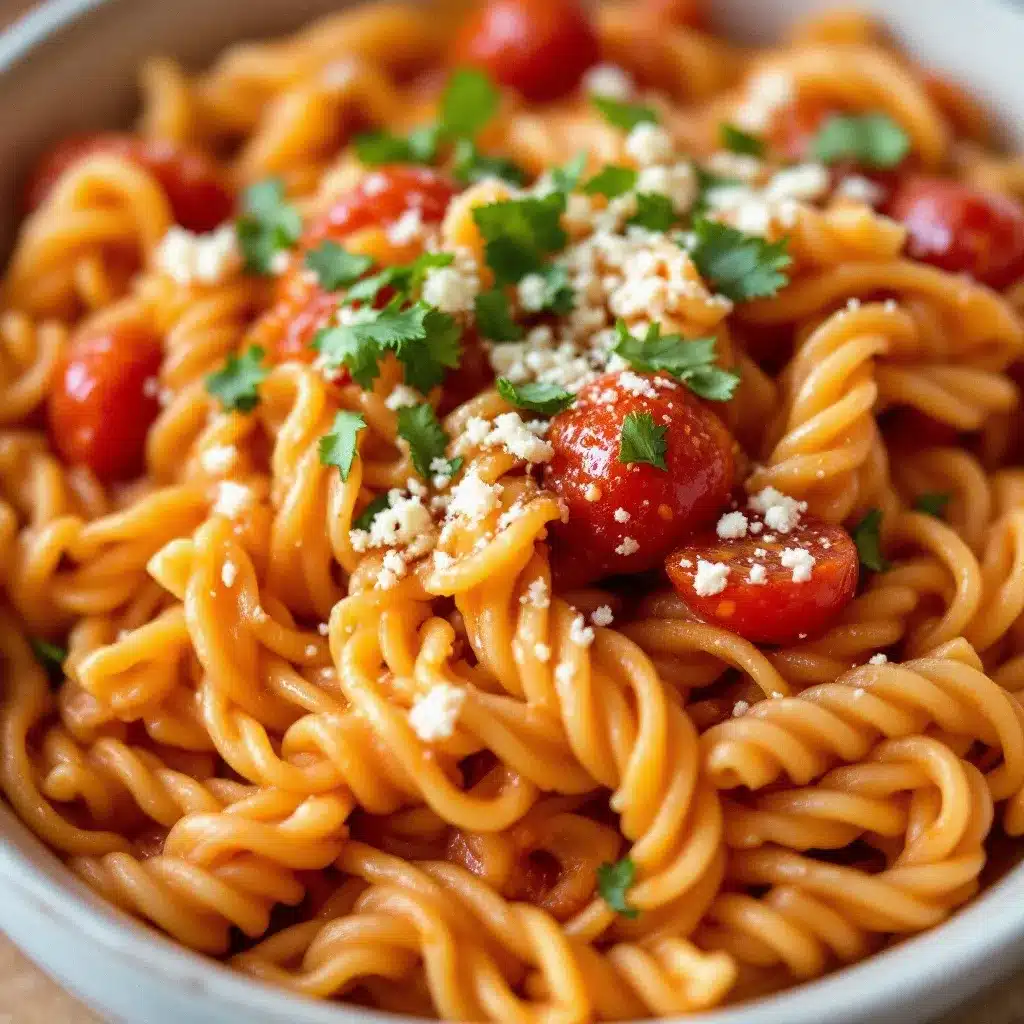
This simple slow-roasted cherry tomato pasta sauce recipe is the one I finally got right after all those failures. It’s the kind of recipe that feels like a secret once you’ve made it. You’ll pull a container out of the freezer on a random Tuesday night, thaw it, toss it with pasta, and feel like you’ve cheated the system somehow. It’s that good. And honestly, it’s almost impossible to mess up once you know the basic rules. Which I’m about to share with you, so you don’t have to compost your first three attempts like I did.
Why You’ll Love This Recipe
This isn’t just another tomato sauce recipe. This is the one that makes you stop buying jarred pasta sauce forever. I tested this recipe about seven times across two summers, adjusting temperatures and times until I found the sweet spot where the tomatoes get all silky and concentrated without turning into raisin-like nubs. My neighbor, who’s a professional chef, tried it and asked for the recipe—which felt like winning an award I didn’t know existed.
- Practically Effortless : The oven does all the work. You literally just halve tomatoes, toss them with olive oil and garlic, and let them roast for two hours. That’s it. No stirring, no babysitting, no complicated techniques.
- Pantry-Friendly Ingredients : Cherry tomatoes, garlic, olive oil, salt, pepper, and a few herbs. That’s the whole list. You probably already have most of it in your kitchen right now.
- Perfect for Meal Prep : Make a big batch on Sunday, portion it out, and you’ve got homemade pasta sauce ready to go for the next three months. It’s like time travel for your weeknight dinners.
- Freezer Hero : This sauce freezes beautifully for up to six months. No weird texture changes, no flavor loss. It tastes just as good in February as it did in August.
- Unbelievably Versatile : Use it on pasta, spread it on crusty bread, spoon it over roasted chicken, or use it as a pizza base. It’s not a one-trick pony.
What makes this recipe different from all the other tomato sauce recipes out there is the temperature. Most recipes tell you to roast at 300°F or 325°F, but I’ve found that 275°F is the magic number. It’s low enough to let the tomatoes slowly break down and concentrate their sugars without burning, but high enough that you’re not waiting all day. The result is a sauce that’s sweet, savory, and deeply flavorful without any added sugar. It’s the kind of sauce that makes you close your eyes after the first bite and just nod slowly. Trust me on this one.
What Ingredients You Will Need
This recipe uses simple, straightforward ingredients that come together to create something far greater than the sum of their parts. The key is using good-quality cherry tomatoes and not skimping on the olive oil. Here’s what you’ll need:
- 3 pounds cherry or grape tomatoes (any color works—red, yellow, orange, or a mix. I prefer a mix for visual appeal and slightly different sweetness levels)
- 6 cloves garlic, peeled and smashed (don’t chop them too small or they’ll burn. Whole smashed cloves get sweet and mellow as they roast)
- 1/3 cup extra-virgin olive oil (use a good one here since it’s a primary flavor. I like California Olive Ranch for everyday cooking)
- 1 teaspoon kosher salt (plus more to taste at the end)
- 1/2 teaspoon black pepper, freshly ground
- 1 tablespoon fresh thyme leaves (or 1 teaspoon dried. Fresh is better if you have it, but dried works in a pinch)
- 1 teaspoon dried oregano
- 1/4 teaspoon red pepper flakes (optional, for a little heat. I add it about half the time depending on my mood)
- 2 tablespoons balsamic vinegar (adds depth and brightness. Don’t skip this—it’s the secret ingredient)
- 1/4 cup fresh basil leaves, roughly chopped (added after roasting for freshness)
Ingredient Tips & Substitutions:
- If cherry tomatoes are out of season or too expensive, you can use Roma tomatoes cut into wedges. The roasting time might need to increase by 20-30 minutes since they’re less juicy.
- For a dairy-free version, this recipe is already dairy-free. For a lower-fat version, you can reduce the olive oil to 1/4 cup, but the sauce won’t be quite as silky.
- I recommend using a good-quality balsamic vinegar here—not the super fancy aged stuff, but not the cheap grocery store brand either. Something in the middle works perfectly.
- If you don’t have fresh thyme, dried works fine. Just crush it between your fingers before adding to release the oils.
Equipment Needed
You don’t need much fancy equipment for this recipe, which is part of the beauty. Here’s what you’ll need:
- Large rimmed baking sheet (half-sheet size, about 18×13 inches. A rimmed sheet is crucial so the tomato juices don’t spill everywhere)
- Parchment paper or silicone baking mat (parchment makes cleanup almost nonexistent. Silicone mats work great too)
- Chef’s knife and cutting board (a sharp knife makes halving all those tomatoes much less tedious)
- Large bowl (for tossing the tomatoes with oil and seasonings)
- Immersion blender or regular blender (immersion blender is easier because you can blend right in the pan. A regular blender works but you’ll need to let the tomatoes cool slightly first)
- Freezer-safe containers or zip-top bags (I use a mix of 16-ounce glass jars and quart-size freezer bags. Mason jars work perfectly)
- Optional: Food mill (if you want to remove the tomato skins. I don’t bother since the skins break down during roasting and blend up fine)
If you don’t have an immersion blender, a regular countertop blender works just fine. Just let the tomatoes cool for about 10 minutes before transferring them to the blender, and don’t fill it more than halfway. Hot liquids expand when blended and can blow the lid off if you’re not careful. I learned that the hard way—my kitchen ceiling still has a faint tomato-colored spot from that incident.
Preparation Method
This is where the magic happens. Follow these steps and you’ll have the best pasta sauce of your life. I promise.
- Preheat your oven to 275°F. Position the rack in the middle of the oven. Line a large rimmed baking sheet with parchment paper or a silicone mat.
- Wash and halve all the cherry tomatoes. This is the most time-consuming part, but it goes faster than you think. I like to put on a podcast or audiobook while I do it. Cut each tomato in half through the equator, not through the stem end. Place them cut-side up on the prepared baking sheet. Don’t crowd them too much—they should be in a single layer with a little space between each one. If they’re too crowded, they’ll steam instead of roast. Use two baking sheets if needed.
- Scatter the smashed garlic cloves evenly over the tomatoes. Tuck them in between the tomatoes so they’re partially covered. This prevents them from burning while still letting them get golden and sweet.
- In a small bowl, whisk together the olive oil, salt, pepper, thyme, oregano, and red pepper flakes if using. Drizzle this mixture evenly over the tomatoes. Use your hands or a spatula to gently toss everything together, making sure each tomato half gets coated in oil.
- Roast for 2 hours, checking at the 90-minute mark. The tomatoes should be wrinkled, collapsed, and starting to caramelize around the edges. The garlic should be soft and golden. If the tomatoes still look plump and juicy, give them another 15-30 minutes. Every oven is different, so trust your eyes more than the timer.
- Remove the pan from the oven and let it cool for 5 minutes. Drizzle the balsamic vinegar over the hot tomatoes. It will sizzle and smell amazing. Let it sit for another minute or two.
- Transfer the roasted tomatoes, garlic, and all the juices from the pan to a large bowl or directly into a blender. If using an immersion blender, you can blend right in the baking pan—just be careful not to scratch the pan if it’s nonstick.
- Blend until smooth, or leave it slightly chunky if you prefer a more rustic texture. I like mine mostly smooth with a few small pieces of tomato skin for texture. Taste and adjust seasoning with more salt, pepper, or a splash more balsamic if needed.
- Stir in the fresh basil. The basil will wilt slightly from the residual heat, releasing its fragrance into the sauce.
- Let the sauce cool completely before transferring to freezer containers. This is important—putting hot sauce in the freezer will create ice crystals and affect the texture. I usually let it cool on the counter for about an hour, then refrigerate it for another hour before freezing.
Pro tip from someone who’s made this dozens of times: Don’t skip the step of halving the tomatoes. I know it’s tempting to just throw them in whole and let the oven do the work, but halving them allows the moisture to escape and the sugars to concentrate. Whole tomatoes will burst in the oven and release their juices, but they won’t get that same deep, jammy flavor. Trust me on this one—I tried it both ways and the halved tomatoes win every single time.
Cooking Tips & Techniques
After making this sauce more times than I can count, I’ve picked up a few tricks that make a real difference. Here’s what I’ve learned:
Use a mix of tomato colors if you can find them. Yellow and orange cherry tomatoes are sweeter and less acidic than red ones. Mixing them creates a more complex flavor profile and a beautiful golden-red sauce that looks gorgeous on pasta. I’ve also used only yellow tomatoes when that’s all I had, and the sauce was still fantastic—just a little milder and sweeter.
Don’t overcrowd the pan. This is probably the most common mistake people make. If the tomatoes are piled on top of each other, they’ll steam instead of roast, and you’ll end up with watery sauce instead of concentrated, jammy goodness. Use two baking sheets if you need to. It’s worth the extra pan to wash.
Let the garlic get soft and golden, not brown and bitter. If your garlic cloves are browning before the tomatoes are done, they’re either too exposed or your oven runs hot. Tuck them under the tomatoes a bit more next time, or lower the oven temperature by 10-15 degrees. Burnt garlic will ruin the whole batch with a harsh, acrid flavor.
Toast the dried herbs briefly in the oil before adding to the tomatoes. I learned this from a friend who’s a professional chef. Heat the olive oil in a small pan with the dried oregano and thyme for about 30 seconds before mixing it with the tomatoes. It wakes up the herbs and makes them more aromatic. It’s a small step that makes a noticeable difference.
Timing strategy for busy cooks: Halve the tomatoes the night before and store them in the fridge in a covered bowl. The next day, just toss with oil and seasonings and pop them in the oven. This cuts the active prep time down to about 10 minutes. You can also roast the tomatoes a day ahead and blend the sauce the next day. The flavors actually deepen overnight in the fridge.
Variations & Adaptations
This recipe is incredibly flexible. Here are some ways to make it your own:
Roasted Tomato & Basil Pesto Sauce: After blending the roasted tomatoes, stir in 1/4 cup of your favorite pesto (homemade or store-bought). The basil and pine nuts add another layer of flavor that’s incredible on fresh pasta. I made this version last summer when my basil plant was going crazy, and it was one of the best pasta sauces I’ve ever had.
Spicy Arrabiata-Style Sauce: Double or triple the red pepper flakes, and add a finely chopped fresh chili pepper (like a serrano or Thai bird chili) to the tomatoes before roasting. The slow roasting mellows the heat slightly while infusing the entire sauce with a warm, lingering spice. This is my husband’s favorite version—he puts it on everything from eggs to pizza.
Herb Garden Variation: Swap the thyme and oregano for whatever fresh herbs you have growing. Rosemary, sage, and marjoram all work beautifully. Just remember that rosemary is stronger, so use about half as much. I made a version with fresh sage and a splash of white wine vinegar last fall, and it was perfect with butternut squash ravioli.
For a chunkier sauce: Skip the blending step entirely. After roasting, just mash the tomatoes with a potato masher or the back of a fork. You’ll get a rustic, almost stew-like sauce with distinct pieces of tomato. This is great for pasta al forno or for spooning over grilled fish or chicken.
Dairy-Free Creamy Tomato Sauce: After blending, stir in 1/4 cup of full-fat coconut milk or cashew cream. It makes the sauce rich and creamy without any dairy. I served this to my dairy-sensitive friend last winter and she couldn’t believe it wasn’t made with heavy cream.
Serving & Storage Suggestions
Serving: This sauce is best served warm over your favorite pasta. I love it with pappardelle or fettuccine because the wide noodles catch all that silky sauce. Toss the cooked pasta with the sauce and a splash of pasta cooking water to help everything come together. Top with fresh basil, a drizzle of good olive oil, and some grated Parmesan if you’re not avoiding dairy. For a lighter meal, spoon the sauce over zucchini noodles or serve it alongside crusty bread for dipping.
Storage: The sauce keeps in the refrigerator for up to 5 days in an airtight container. The flavors actually get better after a day or two as they meld together. For longer storage, freeze the sauce in portions. I use 1-cup and 2-cup containers so I can thaw exactly what I need. You can also freeze it in ice cube trays for small portions—each cube is about 2 tablespoons, perfect for adding to soups or spreading on crostini.
Reheating: Thaw frozen sauce overnight in the refrigerator, then reheat gently on the stovetop over medium-low heat. If you’re in a hurry, you can thaw it in the microwave or add the frozen sauce directly to a pot with a splash of water and heat it slowly. The sauce may separate slightly after freezing, but a quick stir brings it back together. Don’t overheat it or the flavors will dull.
How flavors develop over time: The sauce is delicious right after making it, but it reaches peak flavor after about 24 hours in the fridge. The garlic mellows, the herbs meld, and the balsamic vinegar’s acidity integrates into the background. If you can plan ahead, make the sauce a day before you need it. You won’t regret it.
Nutritional Information & Benefits
This sauce is naturally vegan, gluten-free, and packed with nutrients. Here’s the approximate nutritional breakdown per 1/2 cup serving (about 4 ounces):
Calories: 95 | Total Fat: 7g | Saturated Fat: 1g | Sodium: 290mg | Total Carbohydrates: 8g | Dietary Fiber: 2g | Sugars: 5g | Protein: 1.5g | Vitamin A: 15% DV | Vitamin C: 30% DV | Potassium: 8% DV
Health benefits of key ingredients: Cherry tomatoes are rich in lycopene, a powerful antioxidant that’s been linked to reduced risk of heart disease and certain cancers. Cooking tomatoes actually increases the bioavailability of lycopene, so this sauce is even more nutritious than raw tomatoes. The olive oil provides healthy monounsaturated fats that help your body absorb the fat-soluble nutrients in the tomatoes. Garlic is known for its immune-boosting properties, and the herbs add a dose of anti-inflammatory compounds.
Dietary considerations: This recipe is naturally gluten-free, dairy-free, vegan, and Whole30-compliant if you omit the balsamic vinegar (or use a compliant brand). It’s also low in added sugars—the sweetness comes entirely from the roasted tomatoes. If you’re watching your sodium intake, you can reduce the salt to 1/2 teaspoon and adjust to taste at the end.
Conclusion
This simple slow-roasted cherry tomato pasta sauce is the kind of recipe that becomes a staple once you make it once. It’s forgiving, flexible, and produces results that taste like you spent hours slaving over a stove. The truth is, the oven does almost all the work. You just have to halve some tomatoes, drizzle them with oil, and wait. And the payoff is a freezer full of summer-ready sauce that’ll save you on countless busy weeknights.
I love this recipe because it reminds me that good food doesn’t have to be complicated. It’s just about using quality ingredients and treating them with a little patience. Every time I pull a container of this sauce out of the freezer in the middle of winter, I smile. It’s like finding a little jar of sunshine in my freezer.
I’d love to hear how this recipe turns out for you. Did you try any variations? Did you find a new favorite way to use it? Drop a comment below and let me know. And if you’re looking for more easy, make-ahead recipes, check out our slow cooker honey garlic chicken or these Mediterranean stuffed mini peppers for another quick weeknight win. Happy cooking!
Frequently Asked Questions
Can I use grape tomatoes instead of cherry tomatoes?
Absolutely. Grape tomatoes are slightly thicker-skinned and a little less juicy, but they work perfectly in this recipe. They might need an extra 10-15 minutes of roasting time since they’re denser. The sauce will be slightly less sweet but still delicious.
Do I have to peel the tomatoes before blending?
Nope, not at all. The slow roasting breaks down the skins enough that they blend into the sauce completely. If you’re using a regular blender, you might notice a few tiny specks of skin, but they’re barely noticeable. If you want an ultra-smooth sauce, you can pass it through a food mill or fine-mesh strainer, but honestly, I never bother.
How long will this sauce keep in the freezer?
Properly stored in airtight containers, this sauce will keep for up to 6 months in the freezer. After that, it’s still safe to eat but the flavor may start to fade slightly. I recommend labeling your containers with the date so you know when you made it. I’ve personally kept it for 8 months and it was still delicious.
Can I can this sauce for shelf-stable storage?
I don’t recommend water bath canning for this recipe because the low acid content of roasted tomatoes combined with the olive oil creates an environment that isn’t safe for shelf-stable canning. If you want to can it, you’d need to use a pressure canner and follow tested guidelines. For most home cooks, freezing is the safer and easier option.
What’s the best pasta shape to serve with this sauce?
This sauce is versatile enough to work with almost any pasta shape, but I especially love it with wide noodles like pappardelle or fettuccine because the sauce clings to the broad surfaces. It’s also fantastic with short pasta like rigatoni or penne, where the sauce gets trapped inside the tubes. For a gluten-free option, try it with chickpea or lentil pasta—the sauce’s richness pairs beautifully with the nutty flavor of legume-based pastas.
Pin This Recipe!
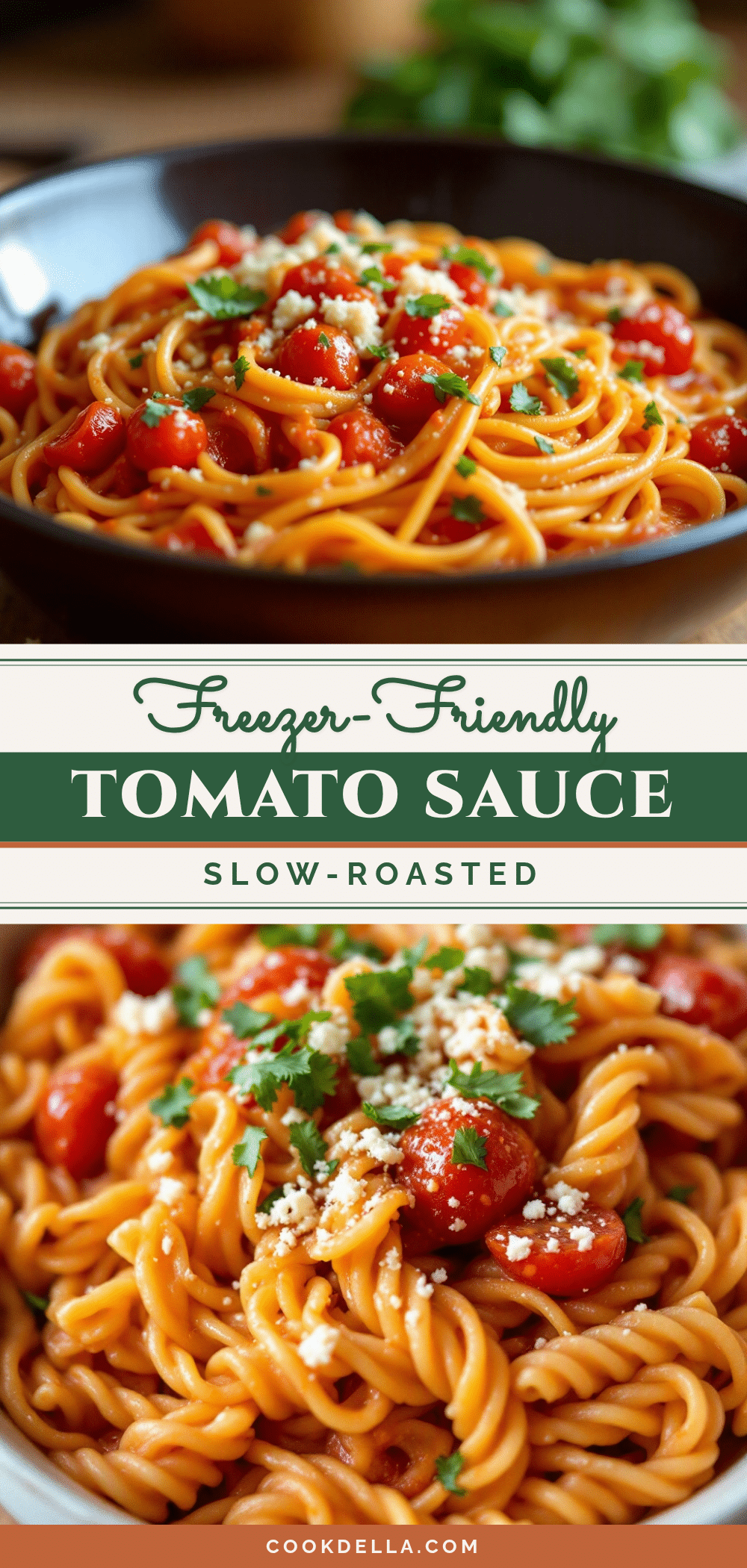
Simple Slow Roasted Cherry Tomato Pasta Sauce (Freezer-Friendly)
This simple slow-roasted cherry tomato pasta sauce is the one I finally got right after all those failures. It’s the kind of recipe that feels like a secret once you’ve made it.
- Prep Time: 15 minutes
- Cook Time: 2 hours
- Total Time: 2 hours 15 minutes
- Yield: 4 servings 1x
- Category: Main Course
- Cuisine: Italian
Ingredients
- 3 pounds cherry or grape tomatoes
- 6 cloves garlic, peeled and smashed
- 1/3 cup extra-virgin olive oil
- 1 teaspoon kosher salt
- 1/2 teaspoon black pepper, freshly ground
- 1 tablespoon fresh thyme leaves (or 1 teaspoon dried)
- 1 teaspoon dried oregano
- 1/4 teaspoon red pepper flakes (optional)
- 2 tablespoons balsamic vinegar
- 1/4 cup fresh basil leaves, roughly chopped
Instructions
- Preheat your oven to 275°F. Position the rack in the middle of the oven. Line a large rimmed baking sheet with parchment paper or a silicone mat.
- Wash and halve all the cherry tomatoes. Cut each tomato in half through the equator, not through the stem end. Place them cut-side up on the prepared baking sheet in a single layer with a little space between each one.
- Scatter the smashed garlic cloves evenly over the tomatoes. Tuck them in between the tomatoes so they’re partially covered.
- In a small bowl, whisk together the olive oil, salt, pepper, thyme, oregano, and red pepper flakes if using. Drizzle this mixture evenly over the tomatoes. Use your hands or a spatula to gently toss everything together, making sure each tomato half gets coated in oil.
- Roast for 2 hours, checking at the 90-minute mark. The tomatoes should be wrinkled, collapsed, and starting to caramelize around the edges. The garlic should be soft and golden. If the tomatoes still look plump and juicy, give them another 15-30 minutes.
- Remove the pan from the oven and let it cool for 5 minutes. Drizzle the balsamic vinegar over the hot tomatoes. Let it sit for another minute or two.
- Transfer the roasted tomatoes, garlic, and all the juices from the pan to a large bowl or directly into a blender. If using an immersion blender, you can blend right in the baking pan.
- Blend until smooth, or leave it slightly chunky if you prefer a more rustic texture. Taste and adjust seasoning with more salt, pepper, or a splash more balsamic if needed.
- Stir in the fresh basil.
- Let the sauce cool completely before transferring to freezer containers.
Notes
Don’t skip the step of halving the tomatoes. Halving them allows the moisture to escape and the sugars to concentrate. Use a mix of tomato colors if you can find them for a more complex flavor. Don’t overcrowd the pan; use two baking sheets if needed. Let the garlic get soft and golden, not brown and bitter. Toast the dried herbs briefly in the oil before adding to the tomatoes for more aroma. Halve the tomatoes the night before to save time.
Nutrition
- Serving Size: 1/2 cup (about 4 oun
- Calories: 95
- Sugar: 5
- Sodium: 290
- Fat: 7
- Saturated Fat: 1
- Carbohydrates: 8
- Fiber: 2
- Protein: 1.5
Keywords: slow roasted cherry tomato pasta sauce, freezer-friendly, homemade pasta sauce, cherry tomato sauce, easy pasta sauce