My husband looked at the pot of boiling sweet potatoes and said, “You’re going to ruin them with that weird butter thing, aren’t you?”
He’d seen me browning butter exactly once before, and the smell had apparently offended his sensibilities. Burnt, he called it. I called it nutty and complex. We agreed to disagree, and I kept making my regular mashed sweet potatoes with nothing more than a pat of butter and a pinch of salt.
But then Thanksgiving crept up, and I had a fridge full of sweet potatoes and a bag of fresh sage that was starting to look sad. I’d been seeing brown butter sage combinations everywhere—on pasta, on ravioli, even on roasted chicken. I figured if it worked on all that, why not on sweet potatoes? (Honestly, I was just tired of the same old mash.)
So I browned the butter while my husband was out walking the dog. I fried the sage leaves until they were paper-thin and crackly. I mashed the sweet potatoes with a little cream and folded in that liquid gold. When he came back, the kitchen smelled like toasted nuts and something vaguely herbaceous—not burnt at all.
He took one bite. Then another. Then he asked if we could have these for every holiday from now on.
That was three years ago, and these Brown Butter Sage Mashed Sweet Potatoes have been on our table for every Thanksgiving, Christmas, and random Tuesday since. They’re not fancy. They’re just better.
Why You’ll Love This Recipe
Let’s be real—there are a million mashed sweet potato recipes out there. Some are too sweet, some are too watery, and some just taste like orange mush. This one is different, and here’s why:
- Ready in 20 minutes: From start to finish, you can have these on the table in under half an hour. That’s faster than most side dishes, and way faster than any complicated casserole.
- Simple ingredients: You probably have sweet potatoes, butter, and salt in your kitchen right now. The sage is the only “special” ingredient, and it’s easy to find at any grocery store.
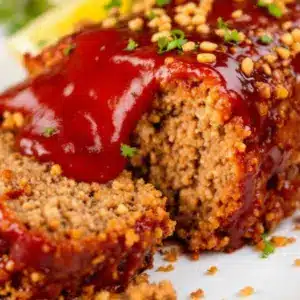
- Perfect for holidays: These go with everything—turkey, ham, roasted chicken, even that old-fashioned meatloaf with brown sugar glaze you’ve been meaning to make. They’re a crowd-pleaser that fits seamlessly into any spread.
- Next-level flavor: The brown butter adds a nutty, toasty depth that regular butter just can’t touch. And the crispy sage? It’s like a little flavor bomb in every bite.
- No fancy equipment: You don’t need a ricer, a food processor, or any specialty tool. Just a pot, a skillet, and a masher.
I’ve tested this recipe at least a dozen times—sometimes with cream, sometimes with milk, sometimes with a splash of maple syrup. This version is the one that works every single time. It’s the kind of side dish that makes you close your eyes after the first bite and forget about the main course entirely.
What Ingredients You Will Need
This recipe uses simple, everyday ingredients to create something that tastes anything but ordinary. Here’s what you’ll need:
- Sweet potatoes (2 pounds, about 3-4 medium): Look for firm, smooth-skinned sweet potatoes without any soft spots. I prefer the orange-fleshed variety (often labeled as “garnet” or “jewel”) because they’re naturally sweeter and creamier. You can use yams too, but the texture will be slightly different.
- Unsalted butter (4 tablespoons, 1/2 stick): Unsalted is key here because it lets you control the salt level. The butter will be browned, so you want a good-quality brand like Kerrygold or Plugrà for the richest flavor.
- Fresh sage leaves (10-12 leaves): Don’t use dried sage for this—it won’t crisp up the same way. Look for fresh sage with bright, unbruised leaves. If you grow your own, even better.
- Heavy cream or whole milk (1/4 cup): Heavy cream gives you the richest, most luxurious texture. Whole milk works too, but the mash will be a little lighter. I’ve used half-and-half in a pinch and it was fine, just not as decadent.
- Salt (1/2 teaspoon, plus more to taste): I use fine sea salt for cooking and flaky salt for finishing. Diamond Crystal kosher salt is my go-to for everyday cooking.
- Black pepper (1/4 teaspoon, freshly ground): Freshly ground pepper makes a difference here—don’t use the pre-ground stuff. It adds a subtle warmth that complements the sage beautifully.
- Maple syrup (optional) (1 tablespoon): This is totally optional, but if your sweet potatoes aren’t super sweet, a little maple syrup can round out the flavor. I only add it about half the time, depending on the potatoes.
Ingredient Tips
For the best texture, cut your sweet potatoes into evenly sized chunks—about 1-inch cubes. This ensures they all cook at the same rate. If you’re in a hurry, you can peel and cube them the night before and store them in a bowl of cold water in the fridge.
If you can’t find fresh sage, you can substitute fresh thyme or rosemary, but the flavor will be different. The sage gives these potatoes a distinctly earthy, almost peppery note that pairs perfectly with the nutty brown butter.
Equipment Needed
You don’t need a lot of fancy tools for this recipe, which is part of why I love it. Here’s what you’ll need:
- Large pot (4-5 quart): For boiling the sweet potatoes. Make sure it’s big enough that the potatoes have room to move around.
- Small skillet (8-10 inch): For browning the butter and frying the sage. A light-colored skillet is helpful so you can see the butter change color.
- Potato masher or ricer: I prefer a classic potato masher for a slightly rustic texture. If you want ultra-smooth potatoes, use a ricer. Avoid using a food processor or blender—they’ll make the potatoes gummy.
- Colander: For draining the cooked potatoes.
- Measuring cups and spoons: For accuracy, especially with the butter and cream.
- Wooden spoon or silicone spatula: For stirring the butter as it browns.
If you don’t have a potato masher, you can use a fork, but it’ll take longer and the texture won’t be as consistent. A hand mixer on low speed works in a pinch, but be careful not to overmix. Budget-friendly tip: a basic $10 potato masher from any kitchen store works perfectly fine—you don’t need anything fancy.
Preparation Method
Let’s get cooking. This whole process takes about 20 minutes, and most of that is hands-off while the potatoes boil.
Step 1: Prep the Sweet Potatoes
Peel the sweet potatoes and cut them into 1-inch chunks. Try to keep the pieces roughly the same size so they cook evenly. Rinse them under cold water to remove any excess starch, then transfer them to a large pot.
Step 2: Boil the Potatoes
Cover the sweet potatoes with cold water by about an inch. Add a generous pinch of salt to the water—this seasons the potatoes from the inside out. Bring the water to a boil over high heat, then reduce to a simmer and cook for 12-15 minutes, until the potatoes are fork-tender. You should be able to easily pierce a chunk with a fork without any resistance.
Pro tip: Don’t overcook them! If the potatoes get too soft, they’ll absorb too much water and your mash will be watery. Start checking at the 10-minute mark.
Step 3: Make the Brown Butter
While the potatoes are boiling, start the brown butter. Place the small skillet over medium heat and add the butter. Let it melt completely, then swirl the pan occasionally. The butter will start to foam, then the foam will subside, and you’ll see little brown specks forming at the bottom of the pan.
This whole process takes about 4-5 minutes. Watch carefully—brown butter can go from perfect to burnt in seconds. The color should be a deep amber, and the smell should be nutty and toasty, not acrid. When it reaches that point, immediately remove the pan from the heat.
Step 4: Fry the Sage
Add the sage leaves to the hot brown butter. They’ll sizzle and crisp up in about 30 seconds. Use tongs to transfer them to a paper towel-lined plate. They’ll continue to crisp as they cool. Set them aside for garnish.
Step 5: Drain and Mash
Once the potatoes are tender, drain them in a colander and let them sit for a minute to steam off any excess moisture. Return them to the pot (off the heat) and mash them with your potato masher until they’re mostly smooth. Don’t go overboard—a few small lumps are fine and actually add nice texture.
Step 6: Add the Cream and Butter
Pour in the heavy cream and the brown butter (leaving the crispy sage aside for now). Add the salt and pepper. Mash and stir until everything is well combined and creamy. Taste and adjust seasoning—you might want a little more salt or a splash more cream.
If you’re using the optional maple syrup, stir it in now.
Step 7: Serve
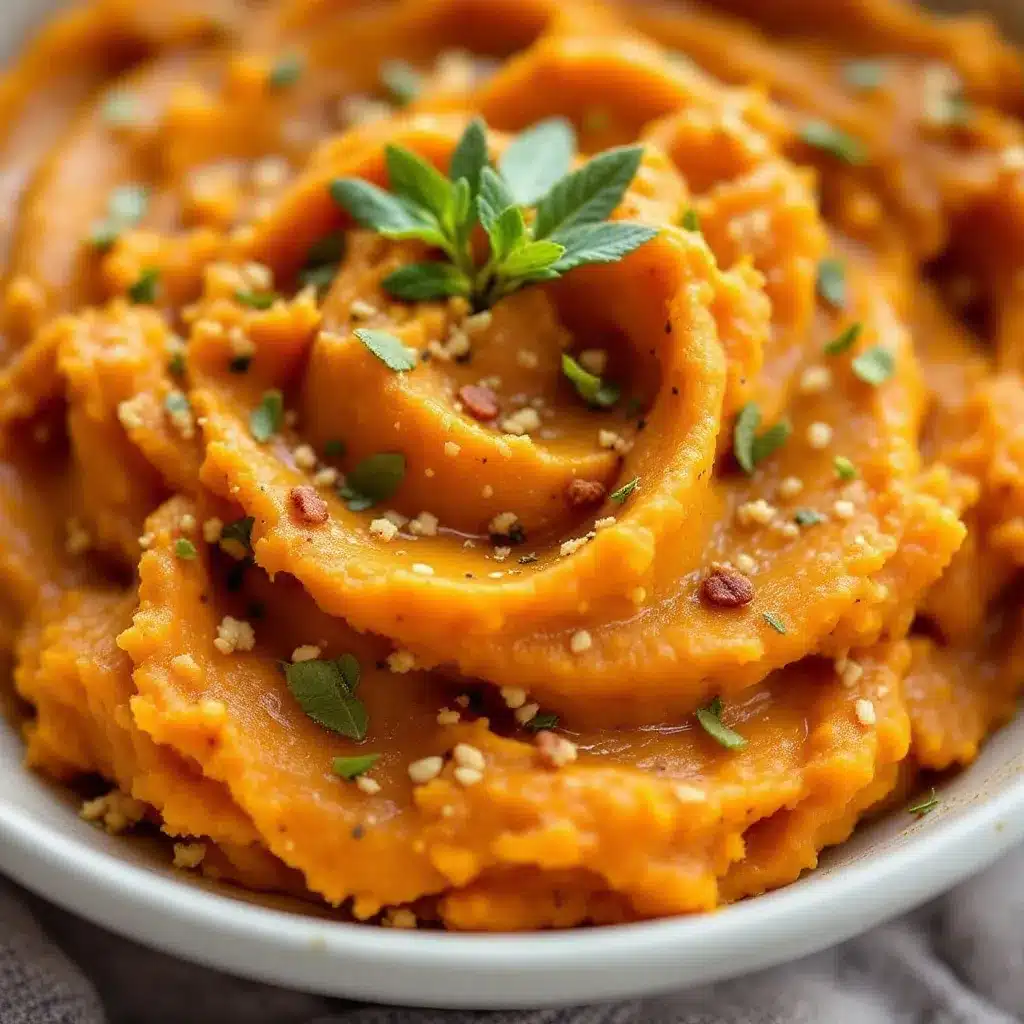
Transfer the mashed sweet potatoes to a serving bowl. Crumble the crispy sage leaves over the top, or leave them whole for a prettier presentation. Drizzle any remaining brown butter from the skillet over the top if you have any left. Serve immediately while warm.
Cooking Tips & Techniques
I’ve made this recipe enough times to know where things can go wrong. Here are my best tips for success:
- Don’t rush the brown butter: The first time I made brown butter, I cranked the heat to high thinking it would speed things up. It didn’t. The butter burned, and I had to start over. Keep the heat on medium and be patient. The transformation happens slowly, then all at once.
- Dry your potatoes well: After draining, let the potatoes sit in the colander for a full minute. Excess water will make your mash thin and sad. If you want to be extra careful, you can return the drained potatoes to the pot and let them dry over low heat for 30 seconds.
- Warm your cream: Cold cream can seize the brown butter and make the mash grainy. Microwave the cream for 15-20 seconds before adding it, or let it sit on the counter while the potatoes boil.
- Taste as you go: Sweet potatoes vary in sweetness depending on the season and variety. Taste your mash before adding the optional maple syrup—you might not need it.
- Multitask wisely: Start the brown butter when the potatoes have about 5 minutes left to boil. That way, everything finishes at the same time and your mash is piping hot when you serve it.
One time, I forgot to watch the butter and ended up with a smoky kitchen and a ruined pan. It happens to everyone. Just start over—it’s only 4 tablespoons of butter, and the second batch always tastes better because you’re paying attention.
Variations & Adaptations
This recipe is flexible, and I’ve tried several variations over the years. Here are some of my favorites:
- Garlic Brown Butter: Add 2 crushed garlic cloves to the butter while it browns. Remove them before adding the butter to the potatoes. It adds a subtle savory note that’s amazing with roasted meats.
- Maple Pecan: Skip the sage and add 1/4 cup chopped pecans to the brown butter for the last minute of cooking. Stir in 2 tablespoons of maple syrup with the cream. It’s sweeter, but perfect for fall.
- Dairy-Free Version: Substitute the butter with a high-quality vegan butter (I like Miyoko’s) and use full-fat coconut cream instead of heavy cream. The flavor will be slightly different, but still delicious.
- Rosemary & Thyme: If you don’t have sage, fresh rosemary or thyme work beautifully. Use about 2 teaspoons of chopped rosemary or 1 teaspoon of thyme leaves.
- Spiced Version: Add 1/2 teaspoon of cinnamon and a pinch of nutmeg to the mash along with the cream. It gives the potatoes a warm, cozy flavor that pairs perfectly with pumpkin sourdough discard bread or any holiday meal.
My personal favorite variation is the garlic brown butter version. I made it for a Friendsgiving last year, and someone asked for the recipe before they even finished their first serving. It’s that good.
Serving & Storage Suggestions
These mashed sweet potatoes are best served warm, right after you make them. The crispy sage stays crunchy for about 30 minutes, so if you’re serving them at a holiday meal, time the sage garnish for just before you bring the dish to the table.
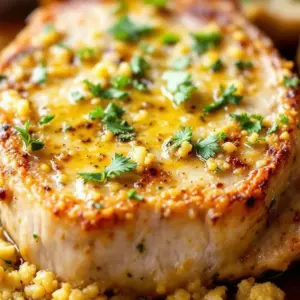
What to serve with them: These potatoes go with almost everything, but they’re especially good with roasted turkey, baked ham, or garlic butter chicken thighs. For a vegetarian meal, pair them with a hearty salad or roasted vegetables.
Storage: Leftovers keep well in an airtight container in the fridge for up to 4 days. The sage will lose its crunch, but the flavor will still be there.
Reheating: The best way to reheat is in a saucepan over low heat, stirring occasionally. Add a splash of milk or cream to loosen them up if they seem thick. You can also microwave them in 30-second bursts, stirring between each.
Freezing: These freeze surprisingly well. Let the mashed potatoes cool completely, then transfer them to a freezer-safe container. They’ll keep for up to 3 months. Thaw in the fridge overnight and reheat as directed. The texture won’t be quite as creamy as fresh, but it’s still delicious—especially when you’re short on time during the holidays.
One thing I’ve noticed: the flavors actually deepen overnight. The brown butter and sage meld together, and the potatoes taste even more complex the next day. So don’t be afraid to make them ahead!
Nutritional Information & Benefits
Here’s the estimated nutrition for one serving (about 1 cup, based on 6 servings):
- Calories: 245
- Fat: 14g
- Saturated Fat: 9g
- Carbohydrates: 28g
- Fiber: 4g
- Sugar: 9g
- Protein: 3g
- Sodium: 220mg
Sweet potatoes are packed with vitamin A (over 400% of your daily needs per serving), vitamin C, potassium, and fiber. They’re also naturally gluten-free, dairy-free if you use the substitutions, and lower on the glycemic index than regular potatoes, which means they won’t spike your blood sugar as much.
The brown butter adds a bit of richness, but honestly? A little butter is good for you—it helps your body absorb the fat-soluble vitamins in the sweet potatoes. It’s all about balance.
If you’re watching your calories, you can reduce the butter to 2 tablespoons and use milk instead of cream. The texture won’t be as luxurious, but it’ll still be delicious.
Conclusion
These Brown Butter Sage Mashed Sweet Potatoes have become a staple in my kitchen for a reason. They’re quick enough for a weeknight dinner but impressive enough for a holiday feast. The nutty brown butter, the crispy sage, the creamy sweet potatoes—it all comes together in a way that feels special without being fussy.
I love that this recipe is forgiving. You can tweak it, adapt it, and make it your own. Add more sage, skip the maple syrup, swap in pecans—whatever works for you. The base is solid, and the possibilities are endless.
If you make these, I’d love to hear about it. Leave a comment below and let me know how they turned out, or tell me about your own variations. Did you add garlic? Did you go heavy on the sage? Did your skeptical family member end up going back for seconds? (Mine did.)
Happy cooking, friends. And remember—don’t rush the butter.
Frequently Asked Questions
Can I make these ahead of time?
Yes! You can make the mashed sweet potatoes up to 2 days ahead. Store them in the fridge and reheat gently on the stovetop or in the microwave. Add the crispy sage garnish just before serving for the best texture.
Can I use dried sage instead of fresh?
You can, but it won’t crisp up the same way. Dried sage is better for flavoring the butter—just sprinkle about 1 teaspoon into the butter while it browns. For the garnish, you might want to skip it or use fresh if you can find it.
How do I keep the crispy sage from getting soggy?
The key is to let the sage leaves cool completely on a paper towel before adding them to the potatoes. Also, don’t mix them in—just sprinkle them on top right before serving. If you’re making the potatoes ahead, store the crispy sage separately in an airtight container at room temperature.
Can I use a food processor to mash the potatoes?
I don’t recommend it. A food processor will overwork the potatoes and make them gummy and gluey. Stick with a potato masher or ricer for the best texture. If you want them super smooth, a ricer is your best bet.
What if my brown butter burns?
It happens! If the butter turns dark brown and smells acrid, start over. Burnt brown butter will ruin the flavor of the dish. The second batch always goes faster because you know what to look for. Keep the heat on medium and watch closely—it goes from perfect to burnt in about 30 seconds.
Pin This Recipe!
Brown Butter Sage Mashed Sweet Potatoes (Easy 20-Minute Side)

These Brown Butter Sage Mashed Sweet Potatoes are a quick and easy side dish ready in 20 minutes. Nutty brown butter and crispy sage elevate simple sweet potatoes into a next-level holiday or weeknight favorite.
- Prep Time: 5 minutes
- Cook Time: 15 minutes
- Total Time: 20 minutes
- Yield: 6 servings 1x
- Category: Side Dish
- Cuisine: American
Ingredients
- 2 pounds sweet potatoes (about 3–4 medium), peeled and cut into 1-inch chunks
- 4 tablespoons unsalted butter (1/2 stick)
- 10–12 fresh sage leaves
- 1/4 cup heavy cream or whole milk
- 1/2 teaspoon fine sea salt, plus more to taste
- 1/4 teaspoon freshly ground black pepper
- 1 tablespoon maple syrup (optional)
Instructions
- Peel the sweet potatoes and cut them into 1-inch chunks. Rinse under cold water and transfer to a large pot.
- Cover the sweet potatoes with cold water by about an inch. Add a generous pinch of salt. Bring to a boil over high heat, then reduce to a simmer and cook for 12-15 minutes until fork-tender.
- While the potatoes boil, make the brown butter: Place a small skillet over medium heat and add the butter. Let it melt, then swirl occasionally. The butter will foam, then the foam will subside, and brown specks will form. Cook until deep amber and nutty-smelling, about 4-5 minutes. Remove from heat immediately.
- Add the sage leaves to the hot brown butter. They will sizzle and crisp in about 30 seconds. Transfer to a paper towel-lined plate to cool.
- Drain the potatoes in a colander and let them steam for a minute. Return to the pot and mash with a potato masher until mostly smooth.
- Pour in the heavy cream and the brown butter (reserve the crispy sage). Add salt and pepper. Mash and stir until creamy. Taste and adjust seasoning. Stir in maple syrup if using.
- Transfer to a serving bowl. Crumble or leave whole the crispy sage leaves on top. Drizzle any remaining brown butter from the skillet over the top. Serve immediately.
Notes
Don’t rush the brown butter; keep heat on medium and watch closely. Dry potatoes well after draining to avoid watery mash. Warm the cream before adding to prevent graininess. Taste before adding optional maple syrup as sweetness varies. The crispy sage stays crunchy for about 30 minutes; garnish just before serving.
Nutrition
- Serving Size: 1 cup
- Calories: 245
- Sugar: 9
- Sodium: 220
- Fat: 14
- Saturated Fat: 9
- Carbohydrates: 28
- Fiber: 4
- Protein: 3
Keywords: brown butter sage mashed sweet potatoes, easy sweet potato side, 20-minute side dish, holiday sweet potatoes, mashed sweet potatoes with sage